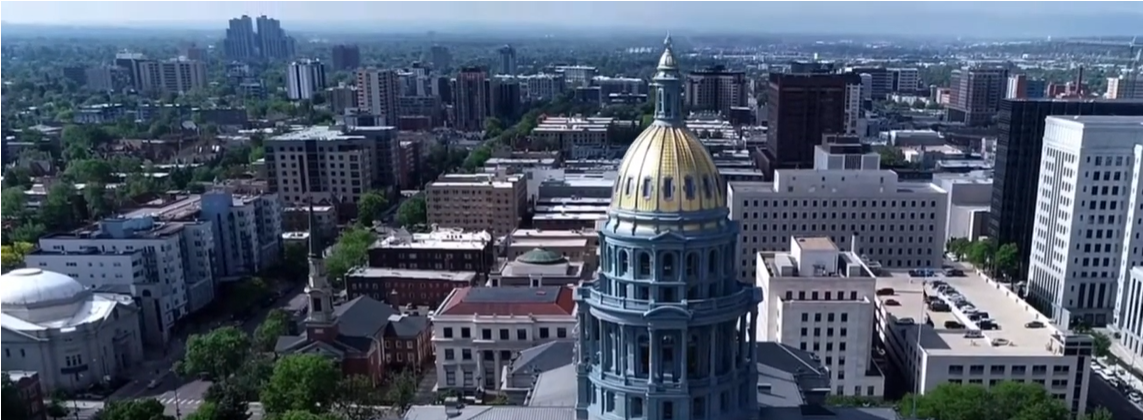

In 1923, United Airlines made history by hiring the first airline stewardesses in Denver, Colorado. These pioneering women were trailblazers in the aviation industry, setting a standard of service and professionalism that continues to this day.
At the time, air travel was still a relatively new and unfamiliar experience for most people. Commercial flights had only been available for a few years, and passengers were often apprehensive about flying. To ease their fears and provide a sense of comfort and security, United Airlines decided to hire a team of young, attractive women to serve as stewards on their flights.
The first group of United Airlines stewardesses consisted of eight women, all of whom were registered nurses. They were chosen for their professionalism, poise, and ability to provide excellent customer service. They underwent rigorous training in a variety of areas, including first aid, emergency procedures, and hospitality.
Their uniforms were designed to be both practical and stylish. They wore dark blue wool skirts and jackets, white blouses, and matching hats. They also wore white gloves and carried handbags that contained all of the items they needed to perform their duties, including first aid supplies, extra blankets, and snacks for passengers.
The stewardesses’ primary responsibilities were to ensure the safety and comfort of passengers during their flights. They assisted with boarding and disembarking, helped passengers with their luggage, and provided in-flight service, including meals and beverages. They also kept the cabin clean and tidy and were responsible for maintaining emergency equipment and performing first aid if needed.
The stewardesses quickly became popular with passengers, who appreciated their friendly demeanor and attentive service. They were often referred to as “sky girls” or “air hostesses,” and were considered to be a glamorous and exciting addition to the world of air travel.
In the years that followed, United Airlines continued to hire more stewardesses, expanding their service to other cities and routes. By the end of the 1920s, United Airlines had over 70 stewardesses on staff, and they had become a familiar and beloved sight to passengers across the country.
The role of the stewardess continued to evolve in the decades that followed. During World War II, many stewardesses served as members of the Women Airforce Service Pilots (WASPs), performing a variety of important duties, including ferrying aircraft and training pilots.
In the postwar era, stewardesses became icons of glamour and style, epitomizing the jet-set lifestyle of the 1960s and 1970s. They were known for their impeccable grooming and fashion sense, and were often featured in advertising and popular media.
Despite their glamorous image, stewardesses were also required to perform a variety of important safety duties. They underwent extensive training in emergency procedures and were responsible for ensuring that passengers followed safety protocols during flights.
Today, the role of the stewardess has been expanded and redefined in many ways. United Airlines and other airlines now employ both male and female flight attendants, and their duties have grown to include a variety of customer service and safety-related tasks.
However, the legacy of the first United Airlines stewardesses lives on. These pioneering women set a standard of professionalism and service that continues to be an important part of the aviation industry. They proved that air travel could be safe, comfortable, and enjoyable, and they paved the way for generations of flight attendants to come.
The decision to hire airline stewardesses was a bold move by United Airlines, as it represented a major departure from traditional roles for women at the time. Women in the 1920s were often relegated to domestic and support roles, and many were discouraged from pursuing careers outside the home.
However, the airline industry was still in its infancy, and there were few established norms or expectations for the role of the stewardess. United Airlines saw an opportunity to create a new position that would help to set them apart from their competitors and provide a higher level of service to their passengers.
The decision to hire registered nurses as stewardesses was also significant, as it signaled a commitment to safety and health that was a key concern for passengers at the time. Many people were still wary of flying, and having trained medical professionals on board helped to ease their fears and provide a sense of security.
The stewardesses themselves were also trailblazers in their own right. They were often required to work long hours and endure difficult working conditions, including turbulence, air pressure changes, and exposure to high altitude radiation. They were also expected to maintain a high level of professionalism and poise at all times, even in the face of challenging situations.
Despite these challenges, the stewardesses remained dedicated to their work, and many became beloved figures in the aviation industry. They were known for their beauty, charm, and grace, and many went on to become cultural icons and role models for young women.
Over time, the role of the airline stewardess continued to evolve and expand. Today, flight attendants are responsible for a wide range of tasks, including safety and emergency procedures, customer service, and in-flight entertainment. They are also required to undergo extensive training in a variety of areas, including first aid, CPR, and conflict resolution.
Despite the changes in the industry, the legacy of the first airline stewardesses hired by United Airlines in 1923 remains an important part of aviation history. These pioneering women helped to establish a new standard of service and professionalism in the airline industry, and their contributions continue to be celebrated and remembered today.
