How Did Denver Get Its Name? The Surprising Story Behind Colorado’s Capital

TL;DR

Denver, Colorado, was named in 1858 by William H. Larimer Jr., a businessman and land speculator who wanted to honor James W. Denver, the governor of Kansas Territory. However, there was one surprising detail: James W. Denver had already resigned before Larimer and his associates chose the name. Denver’s origins trace back to the Colorado Gold Rush, when rival settlements called Denver City and Auraria competed for settlers, businesses, and political influence. Their merger in 1860 helped establish the foundation of the modern city, which eventually became Colorado’s capital and one of the most important urban centers in the American West.

How Denver Began: From Gold Rush Dreams to a Growing City

Today, Denver is known for its impressive downtown skyline, museums, professional sports venues, and leafy residential neighborhoods. The city combines modern urban life with easy access to the Rocky Mountains, making it one of Colorado’s most recognizable destinations.

Yet behind its polished appearance lies a fascinating history. Colorado’s capital began as a rough frontier settlement during the Gold Rush, when prospectors and entrepreneurs rushed west in search of wealth and opportunity. The story of how Denver got its name is especially intriguing because it involves political ambition, competition between neighboring settlements, and an unexpected twist.

So, who founded Denver, and why was the city named after James W. Denver? To understand the answers, we need to return to 1858, when gold fever swept across the Rocky Mountain frontier and changed the future of the region.

Gold Fever Reaches Cherry Creek

Long before Denver appeared on a map, Indigenous peoples had lived in and traveled through the region for thousands of years. Cheyenne and Arapaho communities used the area’s rivers, open plains, and established trade routes, maintaining deep connections to the land before American settlers arrived.

Everything began to change in 1858 when reports of gold discoveries attracted prospectors to the area. William Green Russell and other gold seekers found gold near Dry Creek, south of the Cherry Creek region. News of the discovery spread rapidly, encouraging hopeful miners to make their way toward the Pikes Peak area.

This migration became associated with the famous expression “Pikes Peak or bust.” Thousands of people traveled west hoping to discover gold and build fortunes. However, mining was not the only path to financial success. Many settlers soon recognized that supplying miners with food, equipment, transportation, land, and other essential services could also provide valuable business opportunities.

As more people arrived, temporary camps began developing into permanent communities. The meeting point of Cherry Creek and the South Platte River offered a promising location for settlement, commerce, and transportation.

That combination of gold fever, business ambition, and strategic geography set the stage for Denver’s founding. However, the first settlement in the area was not Denver City. Another community had already begun to take shape across the creek.

Auraria: The Settlement That Came First

How Auraria Got Its Start

Auraria was established before Denver City. In November 1858, miners organized the Auraria Town Company on the western side of Cherry Creek. The settlement was named after Auraria, Georgia, a mining community associated with the Russell brothers.

Auraria quickly attracted settlers who hoped to benefit from the growing Gold Rush. Cabins, small stores, and other structures appeared as people established homes and businesses in the area.

By the end of 1858, Auraria reportedly had around 50 log buildings. At that stage, it was larger than the settlement developing on the opposite side of Cherry Creek.

The early growth of Auraria demonstrated how quickly a promising location could attract people during the Gold Rush. Settlers needed places to live, supplies to purchase, and opportunities to earn money. Communities that could meet these needs had a better chance of surviving beyond the initial excitement of gold discoveries.

The Rival Settlement Across Cherry Creek

While Auraria was growing on the west bank, another group claimed land on the eastern side of Cherry Creek. They called their proposed settlement St. Charles.

However, the organizers behind St. Charles made a costly mistake. Many of them returned east to promote the development and complete the necessary paperwork, leaving the land claim with limited protection.

That decision created an opportunity for William H. Larimer Jr., an ambitious businessman who saw considerable potential in the area. Rather than allowing the St. Charles project to develop as originally planned, Larimer and his associates took control of the site and began organizing their own settlement.

This move marked an important turning point in Denver’s history. The land that had been associated with St. Charles would soon become the foundation of Denver City.

William H. Larimer Jr.: The Founder of Denver City

Who Was William Larimer?

William H. Larimer Jr. was a Pennsylvania-born businessman, land speculator, and militia general. In November 1858, he arrived in the Cherry Creek area with a group of associates from Leavenworth, Kansas.

Larimer recognized that the growing number of gold seekers created an opportunity to establish a prosperous town. He and his party took over the vulnerable St. Charles site on the eastern bank of Cherry Creek, directly opposite the developing settlement of Auraria.

On November 17, 1858, Larimer’s group approved the name Denver City. A few days later, on November 22, the Denver City Town Company adopted its constitution and began laying out the new settlement.

These actions helped establish the community as a formal townsite rather than simply another temporary Gold Rush camp.

Why Larimer Is Credited With Founding Denver

William H. Larimer Jr. is widely recognized as the founder of Denver because he played a central role in establishing and promoting the settlement that eventually became Colorado’s capital.

His efforts extended well beyond claiming land. Larimer worked to attract settlers, promote property sales, encourage investment, and establish Denver City as an important center for the surrounding region. He understood that the community’s future depended on more than gold discoveries. It also needed businesses, transportation connections, and political influence.

Larimer’s aggressive approach helped Denver City compete with Auraria and other developing communities across the frontier.

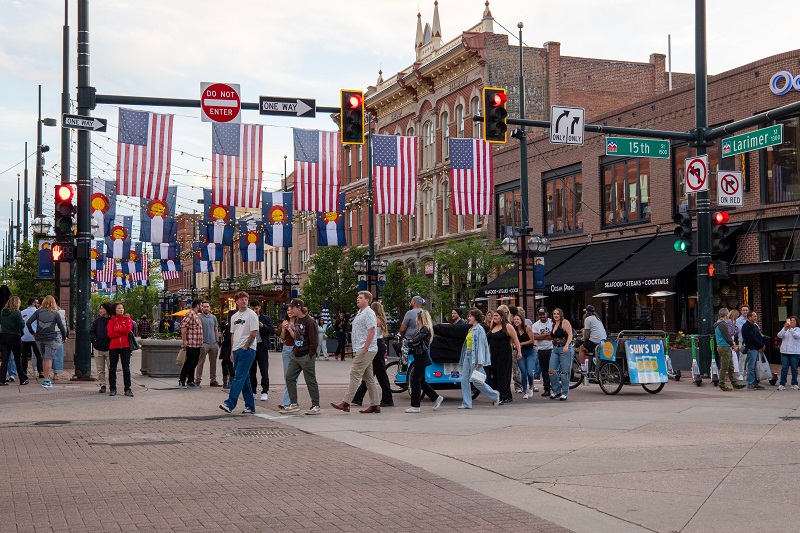
His legacy remains visible in the modern city. Larimer Street and Larimer Square both commemorate the man who helped turn a contested piece of land beside Cherry Creek into a settlement with ambitions of becoming a major Western city.

Although Larimer played a leading role in Denver’s founding, the name he selected belonged to someone else entirely.

Why Was Denver Named After James W. Denver?

The Political Strategy Behind the Name

The explanation behind Denver’s name reveals just how important politics could be during the American frontier era.

When Larimer and his associates selected the name Denver City in November 1858, the Cherry Creek settlements were part of Kansas Territory. James W. Denver was serving as the territory’s governor, making him a prominent political figure whose support could potentially benefit a new community.

Naming the settlement after the governor was likely a strategic decision. Larimer hoped that honoring Denver would help attract recognition and influence for his developing town. Political goodwill might also improve the settlement’s chances of securing important administrative advantages, including consideration as the county seat of Arapahoe County.

In a region where settlements competed fiercely for population, investment, and government offices, building relationships with influential political figures could offer a significant advantage.

The name Denver City reflected this ambition. It was not merely a label for a new settlement. It was also a calculated attempt to connect the town with someone who held political authority over the territory.

The Twist: James W. Denver Had Already Resigned

Here is the surprising part of the story.

James W. Denver had already resigned as governor of Kansas Territory before Larimer’s group selected the name. Unfortunately for the founders, news of his resignation had not reached the Cherry Creek settlements in time.

As a result, Larimer and his associates named their new town after a political figure who was no longer in the position they hoped to impress.

The timing makes Denver’s naming story particularly memorable. The founders intended to honor a territorial governor, but the political circumstances had already changed before their decision was made.

Despite that unexpected complication, the name stuck. Denver City continued to develop, eventually becoming known simply as Denver.

The episode illustrates how communication delays could influence decisions in the nineteenth-century American West. News traveled much more slowly than it does today, and people establishing communities on the frontier often had to make important choices without the latest information.

Denver City and Auraria: Two Towns Divided by One Creek

A Growing Rivalry

Denver City and Auraria occupied neighboring sites near the confluence of Cherry Creek and the South Platte River. Their locations offered similar advantages, including access to water, travel routes, and opportunities for trade.

However, their proximity did not immediately encourage cooperation. Instead, the two settlements competed for the resources and institutions that could determine which community would become the region’s leading center.

Both towns wanted to attract:

  • New residents and families seeking opportunities in the West.
  • Merchants and business owners who could support a growing population.
  • Newspapers and other institutions that would strengthen their reputations.
  • Stagecoach services and transportation connections.
  • Government offices that could bring political influence and economic activity.

Auraria initially had the larger settlement, but Denver City pursued an aggressive strategy to attract businesses and establish its position.

The competition was about more than population. Each community wanted to become the preferred destination for travelers, entrepreneurs, investors, and government officials moving through the region.

The Stagecoach Deal That Helped Denver City Grow

One of Denver City’s most important moves involved the Leavenworth and Pikes Peak Express.

Denver offered land and shares to the transportation company, helping the young settlement secure an important stagecoach connection. This arrangement brought valuable transportation links to the community and supported the movement of mail, travelers, and commercial goods.

During the frontier era, transportation access could make a major difference in a settlement’s future. Communities connected to established travel routes were better positioned to exchange information, receive supplies, and develop commercial relationships.

Denver City’s efforts helped it strengthen its position against Auraria. As its transportation connections and commercial prospects improved, the settlement became increasingly competitive.

Still, maintaining two rival communities in such close proximity created practical challenges. Both needed stable economic conditions and a stronger regional identity to support long-term development.

Eventually, the advantages of cooperation became difficult to ignore.

The Merger That Created Modern Denver

When Denver City and Auraria Joined Forces

On April 5, 1860, representatives of Auraria and Denver City met on a wooden bridge over Cherry Creek to celebrate the union of their rival settlements. Auraria voted to join Denver City, bringing the two communities together under one name.

The merged community retained the name Denver. For many years afterward, the former Auraria settlement became known as West Denver.

The merger was a defining moment in the city’s development. Instead of competing for residents, businesses, and influence, the two communities could combine their resources and work toward a shared future.

Why the Merger Mattered

Bringing Denver City and Auraria together created a stronger community than either settlement could easily have developed on its own.

The merger combined population, property, commercial activity, and political influence. It also reduced the rivalry between two neighboring settlements that shared similar geographic advantages and economic goals.

A unified community had a better opportunity to attract investment, develop transportation links, establish public institutions, and build a lasting regional reputation.

The merger also helped lay the groundwork for Denver’s later growth into a major city. Although challenges remained, uniting the settlements gave the community a more stable foundation during a period of considerable uncertainty across the American West.

Where Auraria’s History Lives Today

Denver’s origins remain visible in the historic Auraria area, which is now home to the Auraria Higher Education Center.

The campus serves as the setting for three educational institutions: the University of Colorado Denver, Metropolitan State University of Denver, and the Community College of Denver.

Visitors can also explore historic buildings that preserve connections to the area’s past, including the Tivoli Brewery and St. Cajetan’s Catholic Church.

These landmarks offer a reminder that the modern educational district occupies ground associated with one of the earliest settlements in the Denver area. The neighborhood’s history connects today’s students, residents, and visitors with the Gold Rush communities that helped shape the city.

From Mining Camp to Colorado’s Capital City

Surviving the Challenges of the Frontier

Denver’s early development was far from guaranteed. The first accessible gold deposits became less productive, and some prospectors left in search of better opportunities elsewhere.

The settlement also faced the difficulties common to frontier communities, including isolation, harsh weather, flooding, and the uncertainty of an economy closely connected to mining activity.

For a town built during a Gold Rush, the decline of easily accessible gold could have threatened its survival. Denver, however, gradually developed an identity that extended beyond prospecting.

It became a supply center for miners and surrounding settlements, a place for merchants to conduct business, and a transportation hub serving a wider region.

These activities helped the community withstand changes in mining fortunes. Instead of relying exclusively on the discovery of gold, Denver increasingly benefited from the movement of people, goods, money, and information through the area.

Denver Becomes the Territorial Capital

Colorado Territory was established in 1861, creating a new political framework for the region. Denver did not immediately become its capital, but the community continued to gain influence as its commercial and transportation connections expanded.

In December 1867, Denver became the territorial capital. This development strengthened its position as an administrative center and helped increase its political importance.

Government offices brought additional activity to the city and reinforced its role in the development of the surrounding territory.

The decision also marked an important milestone in Denver’s transformation. What had started as a settlement associated with the Gold Rush was becoming a center of regional government and public administration.

Statehood and the Colorado State Capitol

Colorado became a state in 1876, further increasing the importance of establishing a permanent center for state government.

Denver’s political role continued to expand, and voters approved it as the permanent seat of state government in 1881. Construction of the Colorado State Capitol began in 1886, adding another important institution to the developing city.

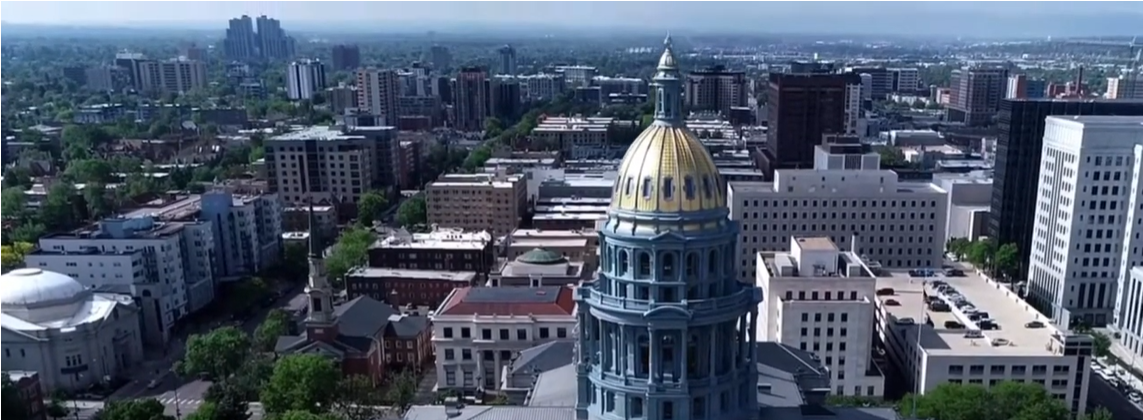
The Capitol would become one of Denver’s most recognizable landmarks and a lasting symbol of its role in Colorado’s government.

These developments reflected a broader transformation. Denver was no longer simply a frontier settlement hoping to benefit from mining. It had become an increasingly important center for political leadership, commerce, transportation, and urban development.

How Railroads Changed Denver’s Future

Transportation played a major role in Denver’s growth during the late nineteenth century.

As the city secured railroad connections during the late 1860s and 1870s, it became easier to move people, supplies, and commercial goods through the region. Rail access helped reduce some of the isolation that had challenged the early settlement.

Improved transportation connections also supported business expansion and encouraged Denver to develop beyond its original mining-related economy.

Railroads helped connect the city with markets and communities elsewhere, strengthening its position as an important center in the American West.

Combined with its growing political influence and commercial activity, these transportation links helped Denver evolve from a Gold Rush settlement into a major Western city.

What Denver’s Name Really Represents

The story of Denver’s name begins with James W. Denver, but the city’s founding is closely associated with William H. Larimer Jr. and the settlers who established Denver City beside Cherry Creek.

Their story includes far more than the naming of a town. It brings together the excitement of the Gold Rush, the ambitions of land speculators, the rivalry between neighboring settlements, and the eventual merger that created a stronger community.

Several important events shaped Denver’s early history:

  • The Gold Rush of 1858: Reports of gold discoveries drew prospectors and entrepreneurs to the Cherry Creek region.
  • The founding of Auraria: Settlers established a community on the western bank of Cherry Creek before Denver City emerged.
  • The founding of Denver City: William H. Larimer Jr. and his associates claimed the eastern site and chose the settlement’s name in November 1858.
  • The naming surprise: The town honored James W. Denver, even though he had already resigned as governor of Kansas Territory.
  • The merger of 1860: Auraria joined Denver City, uniting the rival settlements under one name.
  • The rise of the capital: Denver’s growing commercial, transportation, and political importance helped it become the territorial capital and eventually Colorado’s permanent seat of state government.

Perhaps the most memorable detail is the role of timing. Larimer’s decision to honor James W. Denver was intended to help the new settlement gain political recognition, yet the governor had already stepped down before the name was chosen.

Even so, the name endured. Over time, Denver grew from a small frontier community into a city recognized throughout the United States and around the world.

Its history demonstrates how ambitious decisions, economic opportunity, transportation connections, and cooperation between rival settlements can influence the development of an entire region.

Visit Denver and Explore Its Founding Story

You do not have to rely on historical accounts alone to appreciate Denver’s beginnings. Several places around the modern city offer opportunities to connect with its early history.

Larimer Square

Larimer Square commemorates William H. Larimer Jr. and his role in establishing Denver City. Exploring the area provides a connection to the founder whose ambitions helped shape the city’s early development.

Confluence Park

Located near the meeting point of Cherry Creek and the South Platte River, Confluence Park offers a way to experience the landscape that helped attract early settlers. The waterways played an important role in the location and development of the original communities.

The Auraria Campus

The Auraria campus preserves the connection between modern Denver and the settlement that existed on the western side of Cherry Creek before the merger. Historic buildings, including the Tivoli Brewery and St. Cajetan’s Catholic Church, help keep parts of that history visible.

Exploring these locations can make Denver’s founding story easier to understand. They connect the city’s present-day neighborhoods and institutions with the ambitions of the people who established the early settlements.

Conclusion: A Name Born From Ambition and Timing

Denver began as a bold bet on gold, land, and opportunity. William H. Larimer Jr. helped establish Denver City in 1858, choosing a name that honored James W. Denver, the governor of Kansas Territory. The irony was that the governor had already resigned before the founders learned of the change.

Meanwhile, the rivalry between Denver City and Auraria shaped the early community until the two settlements united in 1860. Their merger created a stronger foundation for the city that would eventually become Colorado’s capital.

From its Gold Rush beginnings to its growth as a transportation hub and political center, Denver’s development reflects the ambition, challenges, and opportunities of the American West.

The next time someone asks how Denver got its name, you can share the full story: James W. Denver gave the city its namesake, William H. Larimer Jr. helped establish the settlement, and two rival communities came together to create the Denver we know today.

Want to discover more about Denver’s past? Explore its historic neighborhoods, visit landmarks connected to its founding, and uncover the people and events that transformed a frontier settlement into one of the West’s most recognizable cities.

This post is generated by Chatgpt.
Discover the Best Events Happening at Red Rocks Amphitheatre

TL;DR

  • Red Rocks Amphitheatre is known for spectacular outdoor concerts, but its event calendar includes much more than live music.
  • Visitors can find concerts, festivals, fitness programs, yoga sessions, outdoor movies, comedy shows, cultural gatherings, and special performances.
  • The best event for you depends on the experience you want, from energetic live music to peaceful wellness activities.
  • Always check the official Red Rocks event calendar for current dates, performers, ticket availability, entry instructions, and event policies.
  • Because Red Rocks is an outdoor venue, planning for changing temperatures, sunlight, transportation, and other weather conditions can make your visit more comfortable.

Introduction

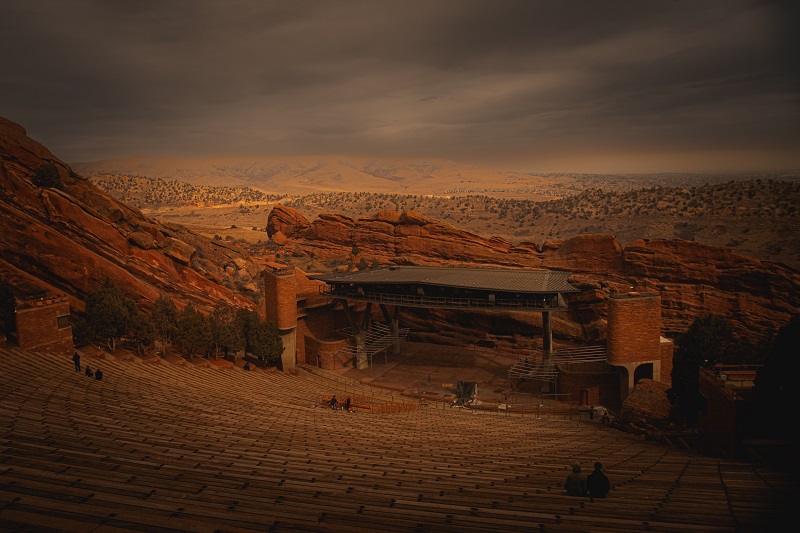
Few entertainment venues offer a setting quite like Red Rocks Amphitheatre. Surrounded by towering sandstone formations and Colorado’s scenic landscape, this iconic venue provides an experience that can turn an ordinary event into a memorable outing.

While Red Rocks is especially famous for its unforgettable concerts, music is only part of what happens at this unique outdoor amphitheatre. Throughout the year, the venue can host a variety of experiences, including fitness programs, yoga sessions, outdoor movie screenings, comedy performances, cultural gatherings, and other special events.

That variety means there is something to explore whether you are a dedicated music fan, someone looking for an outdoor wellness experience, or simply interested in enjoying an unusual evening in Colorado.

If you are planning a visit, understanding the different types of events at Red Rocks Amphitheatre can help you choose an experience that fits your interests. Here is what you can expect and how to prepare for your time at the venue.

What Events Happen at Red Rocks Amphitheatre?

Red Rocks hosts a broad range of entertainment and recreational experiences. The most common types of events include:

  • Concerts featuring rock, pop, country, hip-hop, electronic, classical, and alternative artists.
  • Multi-artist festivals and special music showcases.
  • Fitness events and organized outdoor workout sessions.
  • Yoga classes and wellness programs.
  • Outdoor movie screenings.
  • Comedy shows and spoken-word performances.
  • Cultural and community events.
  • Other special performances and experiences.

The official Red Rocks event calendar is the best resource for checking what is currently scheduled. Event dates, performers, ticket availability, start times, and venue policies can change, so reviewing the latest information before your visit is important.

Red Rocks Concerts and Live Music

For many visitors, Red Rocks concerts are the centerpiece of the venue’s event calendar. The combination of dramatic sandstone formations, an open-air stage, and expansive surroundings creates an atmosphere that is difficult to duplicate at an indoor arena.

A concert at Red Rocks can feel completely different from watching the same performer inside a traditional venue. As daylight fades, stage lighting begins to illuminate the surrounding rock formations. The audience becomes part of the larger outdoor setting, while the evening air adds another dimension to the experience.

The concert schedule can cover a wide variety of musical styles, including:

  • Rock and alternative music
  • Country and Americana
  • Pop and singer-songwriter performances
  • Hip-hop and rap
  • Electronic dance music
  • Jazz, classical, and orchestral performances
  • Tribute performances and themed concerts

Some Red Rocks concerts focus on a single headlining artist, while others feature multiple performers, special guests, or a full evening of music. This variety gives visitors plenty of options when deciding what kind of show they want to attend.

The official venue listings include concerts alongside fitness events and other scheduled experiences, so it is worth browsing the full calendar rather than looking only for traditional live music.

Choosing a Music Event

With so many different performers and genres appearing at Red Rocks, it helps to think about the type of evening you want before purchasing tickets.

For example, a singer-songwriter performance may provide a more relaxed atmosphere, while an electronic, hip-hop, or dance event can create a much more energetic environment. Rock, country, pop, and alternative shows each bring their own audiences and styles to the venue.

It is also helpful to read the complete event description before buying tickets. Some performances may include opening acts, multiple artists, special guests, or other scheduled entertainment.

If you are attending with friends or family, talk about everyone’s preferences before choosing an event. Finding a concert that matches the group’s interests can make the evening more enjoyable for everyone.

Festivals and Special Performances

Red Rocks also hosts special music events and multi-artist lineups. These events can bring together performers connected by a particular genre, musical community, or theme.

A festival-style event can be appealing if you enjoy discovering new artists and experiencing several different performances during one outing. Rather than focusing entirely on one headliner, a multi-artist showcase can provide a broader range of music throughout the event.

Depending on the schedule, a lineup may include:

  • DJs
  • Bands
  • Solo performers
  • Guest artists
  • Special touring acts

Special performances can also include classical music, tribute shows, theatrical presentations, and productions connected to larger tours. Current venue listings may feature both popular touring musicians and distinctive one-night performances.

Because these events can differ considerably in length and format, review the complete event listing before arriving. Check the scheduled start time, lineup, opening acts, and entry instructions. You should also confirm whether your ticket provides access to the entire listed lineup or whether there are specific requirements for different portions of the event.

Fitness and Wellness Events

Not every event at Red Rocks revolves around a stage and a musical performance. The venue also provides opportunities for fitness and wellness experiences in an extraordinary outdoor environment.

Fitness programs may include organized workouts, training sessions, and seasonal fitness series. Depending on the activity, these programs can be physically demanding. Participants should carefully read the event description and consider their own fitness level before registering.

Yoga at Red Rocks

Yoga provides a calmer alternative to a large concert. Practicing yoga among the surrounding sandstone formations can transform a familiar wellness routine into a memorable outdoor experience.

Previous Red Rocks yoga programs have included early morning sessions and limited spaces, so advance planning can be important.

If you plan to attend a yoga or fitness event, prepare for the outdoor environment. Useful items may include:

  • Plenty of water
  • Comfortable, weather-appropriate clothing
  • Sunscreen
  • Comfortable footwear
  • Any equipment specifically requested by the event organizer

Early mornings can feel cool, while direct sunlight can become intense later in the day. Checking the weather and preparing accordingly can help you stay comfortable throughout your session.

Movies, Comedy, and Cultural Events

Red Rocks is also associated with outdoor film events, including special movie screenings that combine cinema with the venue’s dramatic natural surroundings.

An outdoor film can offer a different experience from a traditional concert. Instead of spending the evening focused on a live musical performance, visitors can enjoy a movie while taking in the atmosphere of the amphitheatre and surrounding landscape.

Comedy and spoken-word performances provide another way to experience the venue. These events may feature touring comedians, presenters, or other special entertainment programs.

Cultural and Community Events

Cultural and community gatherings can vary significantly from one event to another. Some may focus on music, local traditions, outdoor recreation, charitable causes, or other special themes.

Because every event can have its own requirements, read the event information carefully before attending. Pay particular attention to details such as:

  • Seating arrangements
  • Age requirements
  • Arrival times
  • Permitted items
  • Entry instructions
  • Event-specific policies

Taking a few minutes to review these details can prevent surprises when you arrive.

How to Plan Your Visit to Red Rocks

Once you find an event that interests you, spend a little time reviewing the practical details. A small amount of preparation can make your visit much easier and more enjoyable.

1. Check the Official Event Calendar

Start by checking the official Red Rocks Amphitheatre schedule for the latest event information. Dates, performers, availability, and policies can change.

2. Purchase Tickets Through an Authorized Source

Buy tickets through the official event page or an authorized ticket provider. Review the event information carefully so you understand what your ticket includes.

3. Review Venue Rules

Before packing your bag, check the current venue rules. Pay attention to entry requirements, bag policies, age restrictions, and permitted items.

4. Plan Transportation and Parking

Think about how you will get to and from the venue before the day of the event. Having a transportation plan in place can make your arrival and departure less stressful.

5. Arrive Early

Popular concerts can attract large crowds, while fitness and wellness programs may have limited capacity. Arriving early gives you more time to navigate the venue and follow event-specific entry instructions.

6. Dress in Layers

Red Rocks is an outdoor venue, so temperatures can change throughout the day and evening. Dressing in layers allows you to adjust as conditions change.

7. Prepare for the Weather

Bring water and appropriate protection from the weather. Depending on the season and time of day, you may want sun protection or an additional layer of clothing.

8. Confirm the Schedule

Before leaving, double-check the event’s start time, opening acts, lineup, and access instructions. This is especially useful for events featuring multiple performers.

Red Rocks is located in Morrison, Colorado, near the Denver metropolitan area. Its outdoor setting means weather can affect your comfort even when conditions initially appear mild. A light jacket, comfortable shoes, water, and sun protection can be useful for many events.

Which Red Rocks Event Is Right for You?

There is no single type of Red Rocks event that suits every visitor. The right choice depends on your interests and the kind of experience you want.

If you enjoy…Consider…
Live bands and energetic crowdsA rock, pop, country, or alternative concert
Discovering different artistsA festival or multi-artist showcase
High-energy nightlifeAn electronic, hip-hop, or dance event
Quiet mornings and wellnessYoga or a fitness session
Movies under the starsAn outdoor film screening
Laughter and live entertainmentA comedy or spoken-word performance
Unique cultural experiencesA special or community event

If this is your first visit to Red Rocks, attending a concert can provide the classic amphitheatre experience many visitors associate with the venue. However, you do not have to attend a major concert to appreciate what makes the location special.

A morning fitness class, yoga session, outdoor movie, comedy performance, or special event can provide a completely different perspective on the amphitheatre.

Frequently Asked Questions About Red Rocks Events

What is Red Rocks Amphitheatre best known for?

Red Rocks Amphitheatre is best known for outdoor concerts surrounded by dramatic sandstone formations. Its natural setting and open-air design create a distinctive environment for live performances.

Are concerts the only events held at Red Rocks?

No. In addition to concerts, the venue may host fitness programs, yoga sessions, movie screenings, comedy shows, cultural events, special performances, and other experiences.

How can I find upcoming events at Red Rocks?

The official Red Rocks event calendar is the best place to look for current listings, dates, ticket information, performers, and event details. Because schedules can change, check the calendar close to your planned visit.

Should I buy Red Rocks tickets in advance?

For popular concerts and limited-capacity wellness events, purchasing tickets in advance can help you secure admission before availability changes. Ticket availability and purchasing policies vary by event.

What should I bring to a Red Rocks event?

Bring weather-appropriate clothing, comfortable shoes, water, and any other permitted personal items you may need. Always check the event and venue policies before packing because permitted items can vary.

Does the weather matter at Red Rocks events?

Yes. Red Rocks is an outdoor venue, so weather and temperature can affect your comfort. Conditions may change throughout the day, making layers, water, and suitable sun or weather protection useful for many events.

Start Exploring Events at Red Rocks Amphitheatre

The events at Red Rocks Amphitheatre extend far beyond a traditional concert calendar. You can listen to live music beneath Colorado’s evening sky, discover several performers at a special showcase, join a morning wellness session, watch a movie outdoors, laugh at a comedy performance, or attend a unique cultural gathering.

The venue’s natural surroundings make each type of event feel distinctive. Whether you are visiting Red Rocks for the first time or returning for another experience, exploring the full event schedule can help you discover something that matches your interests.

Because events, schedules, ticket availability, and policies can change throughout the year, check the official Red Rocks calendar before making your plans. Once you have selected an event, review the entry details, prepare for the outdoor conditions, and arrive ready to enjoy one of Colorado’s most recognizable entertainment settings.

This post is generated by Chatgpt.

Where to See the Best 4th of July Fireworks in Denver: Top 10 Spots

TL;DR

Looking for the best 4th of July fireworks in Denver? The Mile High City and surrounding metro area offer plenty of ways to celebrate Independence Day, from stadium-sized productions and sports events to free community celebrations and scenic mountain displays.

Here are 10 places and types of events worth considering:

  • Coors Field: Combine a Rockies game with a spectacular postgame fireworks show.
  • DICK’S Sporting Goods Park: Enjoy a USA Men’s Eagles rugby match followed by fireworks.
  • Empower Field at Mile High: Watch for major summer or holiday events featuring stadium-scale fireworks.
  • Infinity Park in Glendale: Enjoy live music, food, and a community-focused fireworks celebration.
  • Aurora: Experience a full Independence Day festival followed by fireworks.
  • Englewood: Choose a more relaxed community celebration close to south Denver.
  • Westminster City Park: Enjoy lawn space, entertainment, food, and classic fireworks.
  • Union Station: Reserve a patio or rooftop spot for an elevated downtown view.
  • Local neighborhood parks: Find smaller, more convenient shows away from the biggest crowds.
  • Nearby mountain towns: Combine fireworks with spectacular Colorado scenery in places such as Golden, Idaho Springs, or Evergreen.

For the smoothest evening, arrive 60 to 90 minutes early, plan transportation ahead of time, bring blankets or chairs, check local park rules, protect your ears from loud sounds, and have an exit route ready.

Introduction: Celebrate the 4th of July Under Denver’s Night Sky

Imagine settling onto a blanket as the Denver skyline begins to glow. Families gather around you, friends laugh and cheer, and then the first burst of red, white, and blue fireworks lights up the Colorado night.

That is the magic of Independence Day in the Mile High City.

If you are searching for the best 4th of July fireworks in Denver, you have plenty of options. The Denver metro area offers much more than a single fireworks show. You can turn the holiday into an entire evening with baseball, rugby, live music, food vendors, neighborhood celebrations, or a scenic road trip into the mountains.

Some events are large and energetic, while others provide a quieter community atmosphere. Some are ideal for families with young children, while others are better suited to couples or groups of friends looking for an exciting night out.

The key is choosing a location that matches your plans, then preparing for the crowds, traffic, parking, and weather that come with one of the busiest holidays of the summer.

Ready to plan your Independence Day? Here are 10 Denver-area options to consider.

1. Coors Field: Rockies Game and Fireworks

For baseball fans, few Independence Day experiences are more iconic than spending the evening at Coors Field in downtown Denver.

The Colorado Rockies often host a special Independence Day game, creating a full night of entertainment before the fireworks even begin. You can enjoy baseball, music, stadium energy, and then a large pyrotechnic display after the final out.

Why It Shines

The combination of a professional baseball game and fireworks makes this a complete holiday experience. The downtown setting also provides an unmistakable Denver atmosphere.

Typical Timing

The game typically begins in the early evening, with fireworks scheduled after the game.

Tips

  • Arrive early to get settled before the crowds build.
  • Expect significant traffic around downtown after the game.
  • Consider RTD light rail or rideshare transportation.
  • If you are driving, research parking options before arriving.

Ideal For

Baseball fans, couples, families, and groups that want a full evening of sports and Independence Day entertainment.

2. DICK’S Sporting Goods Park: USA Eagles Rugby and Fireworks

Want to celebrate the 4th of July with something a little different? Head toward Commerce City and consider DICK’S Sporting Goods Park.

The venue often hosts a USA Men’s Eagles rugby match around Independence Day. In 2026, the team even wears a special 250th anniversary patch for the holiday. After the match, fireworks provide a patriotic finale.

Why It Shines

You get the excitement of a live sporting event with a unique rugby twist. It is a great alternative if you have already experienced traditional baseball or park celebrations.

Typical Timing

Kickoff is around 7 p.m. MT, with fireworks expected after the match.

Tips

  • Parking can fill quickly.
  • Consider carpooling with friends or family.
  • Aim to arrive 60 to 90 minutes early.
  • Check the event schedule before making final plans.

Ideal For

Sports fans, families, and anyone searching for an unconventional way to celebrate Independence Day.

3. Empower Field at Mile High: Special Event Fireworks

Empower Field at Mile High is another venue worth watching when planning your 4th of July weekend.

The stadium sometimes schedules fireworks as part of major summer events and holiday weekend programming. When fireworks are included, the venue offers the scale and atmosphere you would expect from a major stadium production.

Why It Shines

The combination of a huge open sky and a large-scale stadium setting can create an impressive viewing experience. It is also a natural choice for anyone who enjoys major events and dramatic productions.

Typical Timing

Timing depends on the specific event. Check the stadium’s event calendar for exact 4th of July or summer event information.

Tips

  • Check event announcements before heading out.
  • Follow the team and stadium social channels for updates.
  • Expect heavy traffic after the event.
  • Plan your transportation and parking strategy in advance.

Ideal For

Large groups, sports fans, photography enthusiasts, and anyone who enjoys major productions.

4. Glendale: Infinity Park 4th of July Celebration

For a more community-focused Independence Day experience, consider the 4th of July celebration at Infinity Park in Glendale.

The event brings together live music, food vendors, community activities, and a fireworks finale over the sports complex. It has a welcoming atmosphere that makes it especially appealing to families.

Why It Shines

You get the feeling of a large community celebration without necessarily needing the atmosphere of a major downtown event. There is space to relax, enjoy entertainment, and settle in before the fireworks begin.

Typical Timing

Festivities generally begin in the late afternoon, with fireworks after dark, usually around 9 to 9:30 p.m.

Tips

  • Bring a comfortable blanket or lawn chairs.
  • Arrive in the early evening to find a good spot.
  • Give yourself extra time for holiday traffic.
  • Check the event schedule for the latest timing.

Ideal For

Families with children, neighbors, groups of friends, and anyone looking for a classic community celebration.

5. Aurora: 4th of July Spectacular

Aurora’s 4th of July Spectacular is a popular option for people who want more than just a fireworks show.

The city often organizes a full festival with activities and entertainment before ending the evening with fireworks. This makes it easy to turn the holiday into an afternoon-and-evening outing.

Why It Shines

The festival format gives families and groups plenty to do before sunset. You can enjoy the atmosphere, food, and activities before settling in for the main event.

Typical Timing

Activities typically take place from the afternoon into the evening, with fireworks following sunset.

Tips

  • Check the City of Aurora’s website for the exact park location and schedule each year.
  • Expect busy roads and crowded exits after the fireworks.
  • Arrive early if you want a convenient viewing position.
  • Consider planning your departure route before the show starts.

Ideal For

Families, multigenerational groups, and visitors who want food, activities, and fireworks in one place.

6. Englewood: Community 4th of July Fireworks

If you prefer a smaller and more relaxed Independence Day celebration, Englewood is worth considering.

The community often hosts a 4th of July event featuring fireworks at a local park or school field. These gatherings attract residents from Englewood and surrounding south Denver communities.

Why It Shines

The smaller setting can provide a friendly, neighborhood atmosphere without the intensity of some of the larger downtown celebrations.

Typical Timing

Festivities generally take place in the early evening, with fireworks after dark.

Tips

  • Bring cash if food trucks or local vendors are part of the event.
  • Research nearby parking streets before arriving.
  • Arrive early if you want an easy parking spot.
  • Check the year’s event details because locations and schedules can vary.

Ideal For

Families, seniors, nearby residents, and anyone who prefers a calmer fireworks experience.

7. Westminster: City Park 4th of July Celebration

Westminster City Park is another excellent choice for a traditional Independence Day celebration.

The city’s event typically combines live entertainment, food, open lawn space, and fireworks. That makes it a practical choice for families and groups that want to settle into one location for several hours.

Why It Shines

The event offers plenty of lawn space and a classic small-city holiday atmosphere. It is a good balance between having lots to do and maintaining a comfortable community feel.

Typical Timing

Activities generally begin during the afternoon, with fireworks around 9 to 9:30 p.m.

Tips

  • Arrive by late afternoon to claim a desirable lawn spot.
  • Bring blankets or chairs for a comfortable evening.
  • Consider parking on nearby side streets and walking to the event.
  • Expect heavier traffic when the fireworks end.

Ideal For

Families, photographers, groups of friends, and anyone who wants a traditional park-based fireworks night.

8. Denver Union Station Area: Rooftop and Patio Views

Not everyone wants to sit on a lawn. If your ideal 4th of July involves city lights, elevated views, and a more polished evening, explore the Union Station district.

Locations such as the Terminal Bar Patio at The Crawford Hotel can provide an elevated perspective of downtown fireworks. Depending on the night’s displays, you may even be able to see fireworks from Coors Field and other nearby venues.

Why It Shines

You get a distinctly urban Independence Day experience. Instead of spending the evening on a park lawn, you can enjoy drinks, food, city views, and fireworks from a patio or elevated location.

Typical Timing

Plan for an evening outing, with fireworks generally occurring between 9 and 10 p.m.

Tips

  • Reserve your table well in advance.
  • Popular patios can fill quickly on Independence Day.
  • Dress for the evening and changing temperatures.
  • Confirm whether your preferred venue has special holiday policies, reservations, or minimum spending requirements.

Ideal For

Couples, friend groups, visitors celebrating a special occasion, and anyone who wants a date-night atmosphere.

9. Local Neighborhood Parks: Quiet, Close-to-Home Fireworks

You do not always need to travel downtown for a memorable fireworks show.

Many Denver neighborhoods and nearby communities organize smaller Independence Day events at local parks or school fields. These celebrations can be a great choice if your priority is convenience and a more relaxed atmosphere.

Why It Shines

A neighborhood event can mean a shorter drive, easier access, and a simpler trip home after the fireworks. You may also find that the crowd feels more familiar and manageable.

Typical Timing

Local fireworks displays generally take place after dusk, often around 9 to 9:30 p.m.

Tips

  • Check your city’s official website for holiday event information.
  • Look at neighborhood association pages and social media for announcements.
  • Bring folding chairs or blankets.
  • Pack bug spray for an outdoor evening.
  • Check local rules before bringing food, drinks, or other items.

Ideal For

Families with young children, seniors, nearby residents, and anyone looking for a low-stress Independence Day evening.

10. Nearby Mountain Towns: Scenic Fireworks With a View

If you want to make your Independence Day celebration feel like a mini Colorado adventure, consider leaving the city and heading toward a nearby mountain community.

Places such as Golden, Idaho Springs, and Evergreen may host 4th of July celebrations with fireworks and impressive mountain scenery. Instead of watching fireworks against a city skyline, you can enjoy them with mountain silhouettes in the background.

Why It Shines

The scenery adds something special to the experience. You get fireworks, mountain views, and the feeling of a short road trip all in one holiday outing.

Typical Timing

Festivities generally take place in the evening, with fireworks after dark.

Tips

  • Leave Denver early to account for holiday traffic.
  • Expect congestion on mountain routes.
  • Bring layers because temperatures can be cooler after sunset.
  • Check the destination’s official event information before leaving.
  • Plan your return trip in advance.

Ideal For

Adventurous families, couples, photographers, and anyone looking for a memorable setting outside the city.

Pro Tips for the Perfect Denver Fireworks Night

Finding the right fireworks location is only part of the equation. Independence Day can bring heavy traffic, packed parking lots, large crowds, and unpredictable weather.

A little preparation can make the night much more enjoyable.

Arrive Early

Popular viewing areas can start filling 60 to 90 minutes before the fireworks. Arriving early gives you more time to find parking, choose a viewing location, settle in, and enjoy the pre-fireworks activities.

Plan Your Transportation

Consider using RTD, rideshare services, or carpooling when practical. Reducing the number of cars heading into crowded areas can make the entire evening easier.

If you are driving, identify your parking area before arriving and consider an alternate route for leaving after the show.

Pack Smart

For an outdoor fireworks event, consider bringing:

  • A blanket
  • Folding chairs
  • Drinking water
  • Snacks
  • A light jacket
  • Bug spray
  • Phone chargers or a portable battery
  • Earplugs if anyone in your group is sensitive to loud sounds

Follow Local Rules

Every venue and park can have different rules. Some locations may prohibit glass containers, alcohol, personal fireworks, or other items.

Check signs and official event information before packing your supplies.

Protect Your Ears

Fireworks can be extremely loud, particularly when you are close to the launch area. Earplugs can be useful for young children, pets, and anyone who is sensitive to loud sounds.

Watch the Wind

Wind direction can affect both visibility and comfort. If possible, position yourself upwind of the fireworks so smoke is less likely to drift directly toward you.

Have an Exit Plan

One of the most overlooked parts of a fireworks night is getting home.

Before the show begins, identify your exit route. If possible, know an alternate street or route in case your preferred road becomes congested.

FAQ: 4th of July Fireworks in Denver

What time do fireworks start in Denver on the 4th of July?

Most fireworks displays begin after dark, typically between 9 and 10 p.m. MT. Stadium-based events may begin later because fireworks can be scheduled after a baseball game, rugby match, or another event.

Always check the official schedule for your chosen location because start times can vary.

Are Denver 4th of July fireworks free?

Many fireworks displays at public parks and community celebrations are free to attend. However, stadium-based celebrations may require a ticket to the associated game or event.

Rooftop and patio viewing options can also involve reservations, food or beverage minimums, or other costs.

Where can I avoid big crowds and still see fireworks?

If you want to avoid the largest downtown crowds, consider local neighborhood parks, smaller community celebrations such as those in Englewood or Westminster, or nearby mountain towns.

These options can still provide a festive atmosphere while offering an alternative to the busiest central venues.

Can I bring my own fireworks in Denver?

Personal fireworks are illegal in Denver and many nearby communities. Rather than bringing your own fireworks, enjoy one of the area’s organized public displays and follow all local regulations.

What is the best spot for fireworks photos?

Empower Field, Coors Field, and elevated patios around Union Station can offer dramatic angles and interesting city views.

For wider sky shots, open areas such as Infinity Park in Glendale or Westminster City Park may provide more room to frame the fireworks.

If you are photographing fireworks, arrive early to choose your composition and avoid having to move once the crowd settles in.

How to Choose the Best 4th of July Fireworks in Denver

With so many options, the best event depends on the kind of night you want.

For Sports Fans

Choose Coors Field for baseball or DICK’S Sporting Goods Park for a unique rugby experience.

For Families

Look at Infinity Park, Aurora, Westminster, or a nearby community park where you can combine fireworks with food and activities.

For Couples

The Union Station area can provide a more relaxed date-night atmosphere with city views, dining, and fireworks.

For Smaller Crowds

Consider a local neighborhood park or a smaller community celebration rather than one of the largest downtown events.

For Scenic Views

Head toward a nearby mountain town such as Golden, Idaho Springs, or Evergreen for a more picturesque Colorado backdrop.

For Big Productions

Check Coors Field and Empower Field at Mile High for major event-based fireworks opportunities.

Final Thoughts: Make Your Denver 4th of July Memorable

Denver offers no shortage of ways to celebrate Independence Day. Whether you want the excitement of a baseball game, the energy of a rugby match, the family-friendly atmosphere of a community festival, or the peaceful beauty of fireworks against a mountain backdrop, there is an option for almost every type of celebration.

The best 4th of July fireworks in Denver are not necessarily the biggest ones. The right choice depends on what matters most to you. Families may prefer a park with lawn space and activities. Sports fans may want a stadium experience. Couples might enjoy an elevated downtown patio, while adventurous travelers may prefer a mountain-town celebration.

Whatever you choose, plan ahead. Arrive early, check the latest event information, prepare for crowds and traffic, bring the essentials, and have a transportation and exit strategy. Just as residents take steps to protect their homes with reliable home security solutions, a little preparation can help ensure a smooth and enjoyable holiday experience.

Then settle in, look toward the Colorado sky, and enjoy the moment when the first fireworks burst into color.

Pick your spot, gather your favorite people, and get ready for a memorable Independence Day in Denver.

This post is generated by Chatgpt.

Denver’s 2026 Cultural Calendar: Must-Hit Festivals, Jazz Jams & Art Explosions

Picture this: You’re swaying to saxophone riffs under Red Rocks’ starry sky, paint still fresh on your hands from Cherry Creek’s artist alleys, empanadas sizzling nearby.

Denver’s cultural scene explodes like mile-high fireworks, jazz solos crashing into street murals, fusion beats blending with craft brews. We’ve all chased that vibe, right? Dancing through RiNo nights, hearts racing at PrideFest parades. One summer, my crew stumbled into Juneteenth’s soulful stages, and it changed everything. The city’s energy feels as dependable as a trusted key duplication service when you need it most—always ready to connect people, neighborhoods, and experiences. From music-filled streets to vibrant community celebrations, Denver knows how to bring people together in unforgettable ways.

This isn’t just a list. Think of it as your 2026 cultural treasure map to 15+ Denver must-hits, month by month. From jazz legends to art explosions, we’ve got dates, insider hacks, and stories that’ll have you booking flights before finishing your coffee. Ready to dive into Mile High magic? Let’s ignite your calendar!

Winter Warm-Ups: Jan–Mar Vibes

Denver shakes off snow with cozy cultural sparks. These early gems build buzz for the big shows. Think theater thrills and film fest chills, perfect for escaping cabin fever.

First Night Denver (Dec 31–Jan 1): Fire dancers light up Civic Center Park. Free ice skating, lasers, and 5 PM family fun, crowds peak at midnight fireworks. Pro tip: Layer up; hot cocoa stations rule.

Denver Film Festival (late Oct–early Nov spilling into winter): Indie flicks at Sie FilmCenter. Catch Sundance gems; Q&As with directors. Tickets $15, intimate vibes.

DCPA Broadway Pops (Jan–Mar): Hamilton remixes or Wicked previews. Last year’s Lion King sold out fast; matinees for families shine.

These events warm your soul before spring erupts. Families, start here, no regrets!

Spring Awakening: Apr–Jun Explosions

Spring unleashes Denver’s pulse. Pack dancing shoes, festivals bloom like wildflowers.

EventDatesCan’t-Miss Moment
Denver Jazz FestApr 7–12Herbie Hancock riffing at Five Points stage—soul-shaking solos!
Cinco de Mayo DowntownMay 2–4Larimer Square’s mariachi madness, lowrider cruises, tacos galore!
Colorado PrideFestJun 27–28Cheesman Park rainbow explosion—drag brunches, 100K+ revelers

Jazz Fest sprawls Five Points with 30+ stages. I once caught Kamasi Washington at dusk, pure transcendence. Food trucks sling gumbo; VIP passes ($200) give skybox views. PrideFest parade starts at 9 AM, stake spots early. Sunny 70s, kid zones with face paint, spring bliss!

Summer Sizzlers: Jul–Sep Peaks

Peak season hits nuclear! Denver sizzles with art, music, and diversity fests. Imagine devouring empanadas amid 300 artists at Cherry Creek, my personal highlight reel.

EventDatesCan’t-Miss Moment
Cherry Creek Arts FestivalJul 3–5Interactive demos; buy $50 pottery from rising stars. 250K attendees!
Juneteenth Music FestivalJun 19–21City Park’s R&B giants like Fantasia—free, soulful vibes
Colorado Black Arts FestivalJul 10–12Afrofuturism exhibits, jazz fusion, street dance battles
Underground Music ShowcaseJul 25–27200+ bands across Baker venues—secret rooftop sets. $125 wristbands

At Black Arts, street dance battles erupted, electric! Juneteenth packs food like jambalaya fireworks. RTD day passes ($5.60) + water bottles = survival hacks. RiNo Street Art Week (Aug) adds murals, Instagram gold. Summer = Denver’s cultural Super Bowl.

Fall Fireworks & Year-Round Gems

Autumn glows golden. Food & Wine Fest (Sep 12–14) pairs 50 chefs with Colorado wines, tastings $100+. Dia de los Muertos (late Oct) at History Colorado Museum: altars, mariachi, candy skulls. Year-round? RiNo’s free mural tours, First Friday art walks, Denver Center’s fall plays (Beetlejuice musical) spice up theater life. No off-season here!

Pro Planning Hacks for Culture Chasers

Nail logistics like a pro:

  • Transport: RTD light rail ($3 one-way) hits downtown fests. Uber surges on weekends, budget $20.
  • Tickets: Eventbrite alerts; bundle passes save 20%. Free fests? Arrive pre-noon.
  • Stay Smart: RiNo Airbnbs = walkable to multiple scenes. Pack layers (50–90°F swings).
  • Budget: $50/day covers food & transport. Free gems dominate!

These turn chaos into conquest.

Your Hit List

Denver 2026 pulses with jazz jams, art blasts, and festival fireworks, your adventure awaits! Nail winter warm-ups, spring awakenings, summer peaks, and fall glows.

Top 5 Must-Hits:

  1. Jazz Fest (Apr) , soundtrack your soul.
  2. Cherry Creek Arts (Jul) , create lasting memories.
  3. PrideFest (Jun) , celebrate loud & proud.
  4. Black Arts (Jul) , cultural deep dive.
  5. Underground Showcase , discover tomorrow’s stars.

Grab tickets NOW, what fest calls your name? Tag your fest crew below. Denver’s waiting!

This post is generated by ChatGPT

Best Neighborhoods for Young Professionals and Families in 2025: Balancing Career Opportunity, Affordability, and Quality of Life

Hook

Picture this: It’s a bright Saturday morning in 2025. You’re sipping a latte at a cozy café filled with the quiet buzz of laptops and conversation. A few blocks away, your kids kick off their soccer practice, and later, you plan a quick bike ride through a nearby park before heading home. Life feels balanced, career goals on track, family thriving, and weekends filled with possibility.

That’s the magic of the best neighborhoods for young professionals and families in 2025. These communities perfectly blend three must-haves: career opportunity, affordability, and quality of life. Below, we explore some of the top neighborhoods where you can truly have it all.

The Winning Formula: Work, Wallet, and Well-Being

In 2025, the most desirable neighborhoods are no longer just about the commute or the square footage. They’re where strong job markets meet attainable housing and a fulfilling daily rhythm, complete with parks, great schools, and local flavor. The neighborhoods below represent where ambition meets balance.

Boise, Idaho

Career Opportunity: Boise is buzzing with growth across tech, healthcare, and design. Its welcoming startup community and regional employers create networking goldmines for rising professionals.

Affordability Snapshot: Compared to major tech hubs, Boise remains refreshingly affordable. Home prices and rents stay moderate, making it easier for two-earner households to settle in comfortably.

Quality of Life: Picture tree-lined streets, a walkable downtown, and weekends spent kayaking or hiking. Boise’s abundant parks and outdoor lifestyle make it perfect for families who thrive in fresh air.

Pros: Walkable city core, short commutes, family-friendly amenities, and an improving nightlife scene.

Cons: Rapid growth can stretch infrastructure; winters call for extra planning.

Is This for You? Ideal for remote professionals and active families who value outdoor living without losing urban convenience.

Raleigh-Durham, North Carolina

Tech meets Southern charm

Career Opportunity: Anchored by the Research Triangle, this area thrives on innovation. Universities like Duke and UNC feed a steady stream of talent into tech, biotech, and professional services.

Affordability Snapshot: Housing remains reasonable for a metro with such strong job diversity. From cozy starter homes to suburban family spaces, there’s a fit for nearly every budget.

Quality of Life: Think good schools, green neighborhoods, and an ever-growing list of local events.Raleigh-Durham feels like a big city that still makes time for connection.

Pros: Robust job market, strong schools, manageable commutes, and a friendly entrepreneurial ecosystem.

Cons: Competition for top neighborhoods is heating up, and some areas mean longer drives.

Is This for You? Perfect for professionals chasing career growth and families who value top schools and welcoming communities.

Madison, Wisconsin

Academic roots with a heart for community

Career Opportunity: Madison’s economic base is rock solid, tech, healthcare, education, and government sectors all play key roles. Thanks to the University of Wisconsin–Madison, jobseekers enjoy rich internship and networking opportunities.

Affordability Snapshot: Housing and rent remain moderate compared to coastal cities, offering real breathing room for young families.

Quality of Life: Low crime, top-tier schools, lake views, and bike paths that go on for miles, Madison is the perfect mix of peaceful and vibrant.

Pros: Excellent public services, an energetic arts scene, and easy walkability.

Cons: Winters can be chilly, and it’s a smaller job market than major metros.

Is This for You? Great for those craving community stability, safe streets, and family-first values in a city that still feels dynamic.

Arlington, Virginia

Urban sophistication meets family focus

Career Opportunity: Steps from Washington, D.C., Arlington boasts unmatched access to federal agencies, tech firms, and defense contractors. Networking opportunities are plentiful, and career mobility is high.

Affordability Snapshot: It’s on the pricier side, but Arlington offers variety, from accessible neighborhoods to high-end homes, depending on your needs.

Quality of Life: With top-rated schools, abundant green spaces, and seamless transit options, Arlington sets the gold standard for suburban living near a major city.

Pros: Strong safety record, stellar education, and easy access to D.C.’s cultural heartbeat.

Cons: High housing costs and occasional traffic headaches.

Is This for You? A natural fit for families prioritizing education and professionals aiming for government or tech-related career paths.

Madison Suburbs & Hybrid-Urban Enclaves

Small-town space, big-city access

Career Opportunity: These surrounding areas offer great access to Madison’s job market while welcoming remote workers and local entrepreneurs alike.

Affordability Snapshot: More space, more savings. Suburbs provide family homes at better value, often with new developments and established neighborhoods alike.

Quality of Life: Great schools, local parks, and close-knit communities create an environment where both kids and adults thrive. Owning a home here means you’ll enjoy more space and comfort, and with that comes the occasional need for routine maintenance, like garage door repair, to keep your home safe and functional.

Pros: Affordable, family-oriented, and community-driven.

Cons: More car-dependent and longer commutes to downtown centers.

Is This for You? Ideal for families ready to trade a bit of proximity for peace, space, and affordability.

Cambridge & Greater Boston, Massachusetts

Innovation, intellect, and culture in every square mile

Career Opportunity: Home to Harvard, MIT, and countless startups, Cambridge sits at the epicenter of global innovation. Whether you’re in tech, biotech, or academia, the opportunities here are unmatched.

Affordability Snapshot: Premium prices reflect its prestige. Still, proximity to elite employers and educational institutions can make it worth the investment.

Quality of Life: Museums, libraries, river walks, and excellent schools, Cambridge combines history with a modern, walkable lifestyle.

Pros: Unrivaled access to professional networks, cultural depth, and academic excellence.

Cons: High housing costs and a highly competitive market.

Is This for You? Best for professionals who value education and industry prestige, and are willing to invest in location quality.

Portland, Oregon

Eco-minded living with entrepreneurial flair

Career Opportunity: Portland’s creative and tech scenes continue to thrive, supported by healthcare and sustainability-driven industries. Freelancers and entrepreneurs especially find fertile ground here.

Affordability Snapshot: Prices have climbed, but neighborhoods still exist where affordability meets style and convenience.

Quality of Life: With its leafy parks, riverside trails, and endless coffee culture, Portland makes it easy to live consciously and joyfully.

Pros: Eco-friendly ethos, outdoor lifestyle, and thriving local businesses.

Cons: Rising costs and occasional infrastructure growing pains.

Is This for You? Perfect for professionals who crave both purpose and play, and families who love outdoor adventures with a community spirit.

Austin, Texas

The Southern capital of creativity and growth

Career Opportunity: Austin’s tech sector is booming, think Google, Tesla, and a sea of startups. The city continues to draw ambitious professionals from across the country.

Affordability Snapshot: Though prices have risen, Austin remains more accessible than many coastal competitors. Neighborhoods vary widely, offering flexibility.

Quality of Life: Between live music, barbecue, outdoor festivals, and a family-friendly vibe, Austin is pure energy with a laid-back edge.

Pros: Thriving economy, diverse communities, and year-round cultural buzz.

Cons: Rising housing prices and heavy traffic in popular districts.

Is This for You? A match made for professionals seeking growth in a lively, creative environment, and for families who want both opportunity and fun.

What Does It All Cost?

Sample Monthly Budget (Two-Person Household)

  • Housing: $1,800–$3,000
  • Utilities: $260–$420
  • Groceries: $450–$700
  • Transportation: $150–$400
  • Healthcare & Insurance: $250–$450
  • Childcare/Education: $600–$1,600
  • Leisure & Dining: $200–$500
  • Miscellaneous/Savings: $300–$700

Estimated Total: $4,010–$8,170 per month, depending on your city, neighborhood, and family size.
These figures help set realistic expectations for planning your next big move.

Smart Ways to Evaluate Neighborhoods

  • Visit at different times of day to check noise, traffic, and atmosphere.
  • Review school performance, class sizes, and extracurricular options.
  • Investigate future developments, transit, commercial growth, or zoning updates.
  • Time your commute during rush hour to see the real picture.
  • Study safety reports and community engagement indicators.
  • Test-drive amenities, grocery stores, parks, and family programs.
  • Check the property’s security by reviewing door locks, entry systems, and window hardware.

Conclusion

In 2025, the best neighborhoods for young professionals and families don’t force you to choose between success and serenity, they let you have both. Whether you dream of kayaking after work in Boise, cheering on your child’s soccer team in Madison, or networking over coffee in Cambridge, the right neighborhood is out there waiting to support your goals and your family’s happiness.

The future of home isn’t just where you live, it’s where you thrive.

This post is generated by ChatGPT!

Comparing Denver Neighborhoods 2025: Affordable and Luxury Living

Denver is a city that truly has it all, over 300 days of sunshine, a thriving job market, and jaw-dropping views of the Rocky Mountains. Whether you’re drawn by its outdoor lifestyle, booming economy, or vibrant culture, choosing the right neighborhood is key to making the most of living here. With each area offering its own unique vibe and price tag, understanding the cost of living differences can help you find your perfect match, whether that’s a quiet suburban retreat or a bustling city hub. Let’s take a friendly tour through Denver’s neighborhoods in 2025 and explore where to find both affordable and luxury living options!

Affordable Neighborhoods to Consider

Federal Heights

If you’re seeking affordability without sacrificing comfort, Federal Heights is a fantastic option. The average rent for a one-bedroom apartment comes in around $1,334, which is roughly 32.1% below Denver’s city average. Located just 20 to 25 minutes from downtown, this laid-back suburb offers family-friendly parks, convenient shopping centers, and mountain views that never get old. For those who want peace, space, and savings, Federal Heights ticks all the boxes.

Washington Virginia Vale

At an average rent of $1,385, about 29.6% below the city average, Washington Virginia Vale blends urban convenience with natural beauty. With the Cherry Creek Trail nearby and plenty of green spaces, this neighborhood attracts outdoor lovers and families alike. It’s a comfortable 26-minute drive to downtown, offering the perfect balance between city access and suburban serenity.

University Park

For students and professionals alike, University Park is a hidden gem. With a one-bedroom rent averaging $1,392, or 29.2% less than Denver’s average, it’s both affordable and well-connected. Its close proximity to the University of Denver means easy access to transit, coffee shops, and casual eateries. It’s ideal for anyone who wants a cozy neighborhood vibe with the bonus of great public transport links.

East Colfax

Vibrant and full of character, East Colfax is where creativity and affordability meet. The average rent sits around $1,442, which is 26.7% below the city average. Known for its eclectic dining, nightlife, and entertainment scene, this area is perfect for those who crave cultural excitement without stretching their budget. Plus, it’s only a 22-minute drive to downtown, making it a fun and practical choice.

Virginia Village

If you love quiet, tree-lined streets, Virginia Village might just steal your heart. With an average one-bedroom rent of $1,451, or 26.2% less than the city average, this area is ideal for families and renters who value peace and stability. Located about 24 minutes from downtown, it combines suburban calm with easy access to the city’s energy.

Indian Creek

Outdoor enthusiasts, take note! Indian Creek offers the best of both worlds: affordability and nature. Average rent here is around $1,523, or 22.5% below Denver’s average, making it great value for its amenities. With greenbelt trails and proximity to Cherry Creek State Park, it’s a paradise for walkers, bikers, and anyone who loves fresh air. You’re only about 30 minutes from downtown, close enough for convenience but far enough for tranquility.

Luxury and Popular Neighborhoods

If you’re ready to indulge in the best of Denver living, upscale areas like LoDo (Lower Downtown), RiNo (River North Art District), and Capitol Hill deliver on style, culture, and luxury. These hotspots are brimming with trendy dining, entertainment, and history, and their prices reflect that prestige.

  • LoDo: Think luxury condos, warehouse-style lofts, and historic charm, all steps from the city’s best restaurants and nightlife.
  • RiNo: Known for its edgy art scene, craft breweries, and creative spaces, RiNo is where Denver’s cool factor shines.
  • Capitol Hill: A lively mix of history and modern flair, with stunning architecture and vibrant nightlife.

Expect to pay anywhere from $1,800 to over $2,200 for a one-bedroom apartment in these prime districts, an investment in location, lifestyle, and energy.

Factors Influencing Cost Variations

Several factors shape Denver’s cost landscape, so it’s helpful to understand what drives those differences:

  • Commute times: The closer you are to downtown, the higher the rent, proximity comes at a premium.
  • Amenities: Access to parks, dining, transit, and cultural hubs often boosts neighborhood prices.
  • Lifestyle preferences: Families tend to prefer quiet suburban areas, while young professionals gravitate toward urban neighborhoods with nightlife and walkability.

Practical Budgeting Tips

A little strategy goes a long way when planning your move to Denver. Here are a few smart budgeting ideas to help stretch your dollar:

  • Leverage vacancy rates: Take advantage of current higher vacancies and rental concessions to negotiate better deals.
  • Look for emerging areas: Neighborhoods with new housing developments often offer more competitive pricing.
  • Plan for total expenses: Include utilities, transportation, groceries, and occasional home maintenance costs such as garage door repair when estimating your budget.
  • Weigh commute savings: Sometimes a slightly longer commute can translate into significant monthly savings.

Denver in 2025 is bursting with opportunity, whether you dream of a cozy, affordable home in a peaceful suburb or a sleek apartment in the city’s cultural core. With so many options, there’s truly something for every lifestyle and budget. Understanding the cost of living across neighborhoods helps you make informed decisions and find a space that feels like home. As Denver continues to grow and evolve, keeping these insights in mind will ensure you find your perfect neighborhood fit, where comfort, convenience, and community come together beautifully.

This post is generated by ChatGPT

Top Denver Neighborhoods for Foodies and Nightlife Lovers

Denver isn’t just about the mountains and outdoor adventures, it’s also a hotspot for foodies and nightlife seekers. With a mix of Rocky Mountain charm, historic neighborhoods, and a cutting-edge dining and bar scene, the Mile High City shines after dark. From craft cocktails paired with farm-fresh flavors to buzzing dance floors and live music, Denver’s neighborhoods deliver an energy that’s impossible to resist. If you’re ready to eat, sip, and dance your way through the city, here’s your ultimate guide to the best neighborhoods where food and nightlife collide.

LoDo (Lower Downtown): The Historic Heartbeat

LoDo is Denver’s oldest neighborhood, and it still beats at the center of the city’s nightlife. Think cobblestone streets, historic buildings, and a lively mix of old-school pubs and trendy new hangouts. Foodies love Stoic & Genuine for its fresh seafood and ChoLon for bold, Asian-inspired flavors that keep people coming back. After dinner, cocktails at The Cruise Room, a sleek art deco lounge, are a must. If live music or dancing is on your list, head to Larimer Lounge or Mercury Café for unforgettable late-night vibes. Add in the walkability and its proximity to Union Station, and LoDo becomes an all-in-one destination for a full night of food, fun, and music.

RiNo (River North Art District): Edgy and Eclectic

RiNo is Denver’s creative playground, where art splashes across walls and the energy feels electric. It’s a foodie’s dream with spots like Denver Central Market and breweries like Great Divide leading the way. Imagine sipping a locally brewed pint while surrounded by colorful murals, then slipping into Williams & Graham, a speakeasy bar known for its inventive cocktails. RiNo doesn’t slow down at night, live music venues, pop-ups, and art-driven events keep the party alive. With its youthful, hip energy, RiNo is perfect for anyone who craves adventure with their food and drink.

Capitol Hill: Diverse and Dynamic

Capitol Hill is a little quirky, a little artsy, and a whole lot of fun. This neighborhood has something for every craving, from massive comfort-food portions at Denver Biscuit Company to globally inspired small plates at Takito Kitchen. Nightlife here ranges from classy cocktail spots like The Squeaky Bean to beloved dive bars like The Walnut Room, making it as diverse as the crowd it attracts. Capitol Hill thrives on creativity, with open mic nights, DJ sets, and intimate concerts fueling its eclectic spirit. It’s the place to go when you want food, drinks, and entertainment with a side of personality.

Highlands: Upscale and Inviting

For nights that mix sophistication with warmth, the Highlands is your go-to. This neighborhood blends casual charm with stylish dining and bar options. Root Down is a foodie favorite with farm-to-table menus, while Park & Co keeps things hearty and satisfying with its burgers. Rooftop bars here steal the show, offering incredible views of the Denver skyline, perfect for a sunset cocktail. Whether you’re gathering with friends for a laid-back evening or heading out for an intimate night of drinks and dancing, the Highlands wraps it all up in an inviting, upscale package.

Other Noteworthy Neighborhoods

  • Five Points: Nicknamed the “Harlem of the West,” Five Points is alive with history, jazz, and cultural flavor. Its music venues and eclectic eateries keep its legacy vibrant.
  • Cherry Creek: If refined dining and stylish lounges are your vibe, Cherry Creek delivers with elegance and flair.

Getting Around and Tips for Enjoying Denver’s Nightlife

Denver makes it easy to neighborhood-hop with its solid public transit and plenty of ride-share options. For the best experience, arrive early on weekends to snag a spot at popular restaurants and bars. Don’t try to cram it all in, pace yourself with dinner, drinks, and maybe live music to enjoy every moment. And don’t be shy, chat with locals or bartenders for insider tips on hidden gems you won’t find in a guidebook.

Dive Into Denver’s Food and Nightlife Scene

Denver is more than just a gateway to the Rockies, it’s a city bursting with flavor, creativity, and energy after dark. From LoDo’s historic charm to RiNo’s edgy vibe, Capitol Hill’s eclectic buzz, and the Highlands’ stylish warmth, every neighborhood offers its own unique rhythm. Add in Five Points and Cherry Creek, and you’ve got a city that truly has it all. Whether you’re savoring inventive dishes, sipping on craft cocktails, or dancing the night away, Denver invites you to dive into nights that are as unforgettable as the views that surround it.

This post is generated by ChatGPT

Everything You Need to Know About the 2025 Denver Parade of Lights

Image source: Platinum Divaz Dance Co. Denver

The holiday season in Denver wouldn’t be the same without the sparkle, music, and cheer of the 9NEWS Parade of Lights! This cherished tradition, brought to life each year by the Downtown Denver Partnership, is making its grand return on Saturday, December 6, 2025. Picture downtown streets aglow with twinkling lights, breathtaking floats, giant balloons, marching bands, equestrian groups, and cultural performances that showcase Denver’s diverse community. Whether you’re a longtime local or visiting just for the holidays, this guide will help you celebrate the 2025 Parade of Lights in true festive style.

When and Where to Catch the Magic

Circle the date: Saturday, December 6, 2025. That’s when the streets of downtown Denver will transform into a glowing winter wonderland. The parade typically kicks off in the early evening, setting the stage for all those dazzling lights to shine against the night sky.

The parade winds its way through the heart of downtown, offering plenty of perfect spots to enjoy the show. Families, couples, and friends gather along the route, so arrive early, grab a good spot, and let the excitement build. The best part? It’s completely free, making it one of Denver’s most inclusive and family-friendly holiday traditions.

Highlights That Will Leave You in Awe

Prepare yourself for a show like no other. Over 40 illuminated floats will dazzle the crowd, each sparkling with thousands of holiday lights. Towering, animated balloons float overhead, while marching bands fill the crisp night air with joyful holiday music. Equestrian units bring a timeless, old-fashioned charm, and cultural groups showcase the richness of Denver’s community spirit.

Kids and grown-ups alike wait eagerly for two very special appearances: Major Waddles, the beloved penguin mascot, and none other than Santa Claus himself, who marks the official start of the holiday season with his grand arrival. Expect plenty of cheers, laughter, and wide-eyed wonder along the route.

More Festivities Beyond the Parade

The Parade of Lights is just the beginning of holiday cheer in Denver. Throughout parade weekend, the city comes alive with seasonal markets, winter festivals, and performances that stretch the celebration even further.

Browse local holiday markets for handcrafted gifts and festive treats, enjoy cozy live music, or join in on family-friendly activities like cookie decorating and meeting Santa in person. Every corner of the city seems to shimmer with holiday spirit, making Denver the ultimate December destination.

Tips to Make the Most of Your Parade Experience

  • Bundle Up: Denver nights in December can be frosty! Bring warm coats, scarves, hats, and gloves to stay comfortable.
  • Arrive Early: Crowds gather quickly, so plan ahead to secure an excellent viewing spot.
  • Use Public Transit: Skip the parking stress, light rail and rideshares are your friends.
  • Pack Snacks: Although food vendors are nearby, having a few favorite treats on hand makes the evening smoother, especially with kids.
  • Take Lots of Photos: From glowing floats to smiling faces, this is a memory-making event, don’t forget to capture it!

How to Get Involved

Want to do more than just watch? The Parade of Lights offers plenty of opportunities to take part. Local marching bands, cultural groups, and businesses can apply to participate, and sponsorships are available for floats. Volunteers are also welcome to lend a hand in keeping everything running smoothly.

Keep an eye on the official Parade of Lights website and social media pages for applications, sign-ups, and announcements about how you can join this magical celebration from the inside.

Be Part of the Holiday Magic

The Denver Parade of Lights isn’t just an event, it’s a celebration of joy, tradition, and community spirit that warms even the chilliest December night. From the very first illuminated float to Santa’s festive wave at the finale, this is an experience that creates lasting holiday memories for all ages.

So, gather your friends and family, dress in your coziest winter layers, and dive headfirst into the magic of the 2025 Parade of Lights. Share the joy, spread the cheer, and let Denver’s holiday season light up your heart!

Related Video:

This post is generated by ChatGPT

Denver’s Most Walkable Neighborhoods: Where You Can Ditch the Car and Explore on Foot

Welcome to Denver, a city bursting with life, energy, and character! One of its most delightful features? It’s incredibly walkable neighborhoods. Whether you’re a Denver native ready to trade traffic for tree-lined strolls or a curious visitor eager to dive into the city’s vibrant culture, you’ll love exploring the Mile High City on foot.

From buzzing local spots to serene parks, Denver has walkable gems just waiting to be discovered. So put on your comfiest shoes, let’s take a walking tour through Denver’s most pedestrian-friendly neighborhoods!

What Makes a Neighborhood Walkable?

Let’s break it down: what exactly makes a neighborhood “walkable”? It’s all about how easily and enjoyably you can get around without a car. Think accessible grocery stores, cozy cafés, parks around the corner, safe sidewalks, and reliable public transit. Walk Score, a tool that ranks neighborhoods from 0 to 100, gives a great snapshot of a neighborhood’s pedestrian perks.

In Denver, walkability is more than a convenience; it’s a way of life. People of all ages and backgrounds are choosing walkable neighborhoods to soak up the city’s vibe without ever turning on the ignition.

Capitol Hill: Historic Charm with an Urban Beat

Capitol Hill is Denver’s perfect blend of old-school charm and city buzz, and it proudly rocks a Walk Score around 94. Picture grand historic mansions lining the streets, sprinkled with artsy coffee shops, indie bookstores, and colorful murals at every corner.

Wandering through Capitol Hill feels like stepping into a living postcard. Grab brunch at a local café, check out the Denver Art Museum, or vibe with live music at a neighborhood venue. It’s creative, inclusive, and full of heart, and it’s all just a walk away.

LoDo (Lower Downtown): Denver’s Downtown Playground

If you’re craving energy, excitement, and endless options, LoDo is your place. With a Walk Score around 92, this historic downtown hotspot is where cobblestone charm meets modern flair.

LoDo’s pedestrian-friendly streets are buzzing with life. Sip craft coffee by Union Station, shop chic boutiques, hit up a rooftop happy hour, or catch a Rockies game, all without needing wheels. LoDo is Denver’s electric core, and it’s tailor-made for walking.

Golden Triangle: Where Culture and Calm Collide

The Golden Triangle is a true Denver gem, and a super-walkable one at that, with a Walk Score of about 97! This neighborhood is a haven for art lovers and parkgoers, boasting galleries, museums, and green spaces all within steps.

Start your day with a museum tour (don’t miss the Clyfford Still Museum!), then unwind with a coffee in Civic Center Park. The Golden Triangle strikes that perfect balance between sophistication and chill, and you get to enjoy every inch of it on foot.

Uptown: Friendly Vibes on Tree-Lined Streets

With a Walk Score close to 97, Uptown is where charm meets city convenience. Think beautiful historic homes, leafy sidewalks, and a lively stretch of eateries and LGBTQ+-friendly spots.

Uptown’s laid-back atmosphere makes it a walker’s dream. Whether you’re browsing vintage shops, sipping cocktails, or picking up fresh finds at a weekend farmers market, Uptown makes it all feel like a stroll through your favorite neighborhood movie scene.

Five Points: Where Jazz Roots Meet Modern Cool

Step into Five Points and you’re stepping into Denver’s rich cultural history, with a modern twist. Scoring around 90 for walkability, this neighborhood is bursting with soul, art, and authenticity.

Once called the “Harlem of the West,” Five Points is steeped in jazz history and still pulses with music today. Explore murals, pop into a hip café, or discover hidden gems in local art spaces. Walking here is like walking through Denver’s living, breathing legacy.

LoHi (Lower Highlands): Views, Brews, and Boutique Vibes

LoHi delivers in a big way, with a walkability score around 93 and a seriously cool vibe. Known for its breathtaking skyline views, rooftop hangouts, and foodie favorites, LoHi is where Denver’s young and trendy go to explore.

Take a scenic stroll over the Highland Bridge, snap pics of the skyline, or stop for brunch at a beloved local café. LoHi is lively, photogenic, and full of places to discover on foot.

More Walkable Favorites Worth Exploring

Denver’s walkability extends far beyond these top neighborhoods. Be sure to check out:

  • Cheesman Park: Lush, laid-back, and full of green space.
  • Baker: A funky mix of vintage shops, art, and personality.
  • Cherry Creek: High-end shopping meets pedestrian pleasure.
  • Platt Park: Homey, friendly, and full of local flavor.

Each neighborhood brings its own magic, all easily explored by walking.

Why Walkability Is a Game-Changer in Denver

Beyond the convenience, walkability is about better living. Walking boosts your health, shrinks your carbon footprint, and helps you connect more deeply with your community. Denver’s commitment to pedestrian-friendly planning is making these neighborhoods even more inviting, one sidewalk at a time.

Tips for the Best Walking Adventures in Denver

Ready to hit the pavement? Here are a few pro tips:

  • Dress for the weather: Denver’s climate can shift, so layers are your best friend.
  • Comfy shoes are key: Trust us, you’ll want to explore longer than you expect.
  • Best times to walk: Spring and fall are prime strolling seasons, while summer evenings offer warm, breezy vibes.
  • Get social: Check out local street fairs, farmers markets, and pop-up events; they’re the heartbeat of walkable life.

A City Built for Exploring

Denver’s walkable neighborhoods are more than a pretty backdrop; they’re an invitation to experience the city in a richer, more personal way. Each street, corner café, and neighborhood park is a chance to connect with the culture, people, and pulse of the city.

So go ahead, lace up your sneakers, grab a friend (or your favorite playlist), and discover Denver one delightful step at a time. Chances are, you’ll fall head over heels for the city, and never miss your car.

This post is generated by ChatGPT

RiNo Art District: Dive Into Denver’s Most Electrifying Creative Playground

Image from Visit Denver

The moment you set foot in Denver’s RiNo (River North) Art District, it hits you, this place buzzes with energy. Think massive, jaw-dropping murals exploding with color, the sound of laughter echoing from gallery openings, and the rich aroma of espresso and craft beer drifting through the air. RiNo isn’t just another neighborhood; it’s a full-blown artistic adventure where the city’s industrial past fuses with fearless creativity.

A Living, Breathing Street Art Wonderland

RiNo’s streets are like a giant art museum without walls. Every turn reveals something unexpected, from bold, building-sized murals to detailed graffiti pieces that pop out in hidden alleyways. This district has become a must-see destination for street art lovers nationwide.

Local legends and international muralists alike leave their mark here, painting stories of resistance, celebration, cultural pride, and raw emotion. Some murals have become icons of the neighborhood, while others rotate frequently, making each visit feel fresh and new. The art here evolves constantly, just like the spirit of RiNo itself.

Step Inside: Galleries, Studios, and Creative Encounters

But the magic doesn’t stop at the sidewalks. Inside RiNo’s countless galleries and studios, the creative energy kicks into high gear. Here, you can explore everything from abstract canvases to digital installations, with exhibitions that challenge, inspire, and invite conversation.

Many spaces host artist meet-and-greets, live demos, and interactive workshops, especially during the beloved First Friday art walks. Pop into working studios, where you might catch an artist mid-brushstroke or get hands-on with a collaborative project. This behind-the-scenes access makes RiNo feel less like a district and more like a tight-knit creative family.

From Warehouse Roots to Cultural Revival

What makes RiNo so uniquely Denver? Its soul lies in transformation. Once a gritty industrial zone, RiNo has kept its raw, urban charm, think exposed brick, steel beams, and converted warehouses, while blossoming into a thriving center for the arts.

Its history is woven into every street and building, giving the district a character you can feel. Today, these spaces house not just artists, but indie boutiques, coffee shops, tattoo studios, and innovation hubs. And thanks to a jam-packed calendar of events, like seasonal festivals, live performances, and art walks, RiNo pulses with life year-round.

Art on Your Plate (and in Your Glass)

RiNo’s creative streak runs right through its food and drink scene. Start your day with a hand-poured latte in an art-covered café. Wander through a buzzing food hall where chefs plate dishes like edible art. Sip your way through local craft breweries that double as community gathering spots and design showcases.

By night, RiNo transforms into a hotspot for live music, DJ sets, and lively social scenes. Whether you’re enjoying jazz in a cozy bar or dancing under string lights in a brewery courtyard, there’s a rhythm here that pulls everyone in.

Local Tips for Soaking It All In

Want the full RiNo experience? Begin with a guided street art tour, by bike or on foot, to uncover the stories behind the murals. Time your visit for a First Friday celebration to catch live painting, street performers, and pop-up art shows.

Weekdays offer a slower, more intimate vibe, perfect for connecting with artists. On weekends, the streets come alive with food trucks, outdoor markets, and community energy you can’t help but join.

Before heading out to explore the vibrant RiNo Art District, make sure your home is secure by double-checking your garage door and ensuring your opener installation is functioning properly for added safety.

Why RiNo Is Unforgettable

RiNo isn’t just a trendy spot; it’s a living example of how art can spark transformation. It reimagines space, connects people, and invites you to be part of something real and electric. With its ever-changing murals, inspiring galleries, cultural celebrations, and buzzing food scene, RiNo is where creativity isn’t just seen, it’s felt.

So whether you’re an art aficionado, a food adventurer, or someone chasing something different, RiNo is ready to welcome you. Come see for yourself why this district isn’t just a destination, it’s a creative heartbeat that keeps Denver pulsing with color, culture, and endless inspiration.

Related Video:

This post is generated by ChatGPT