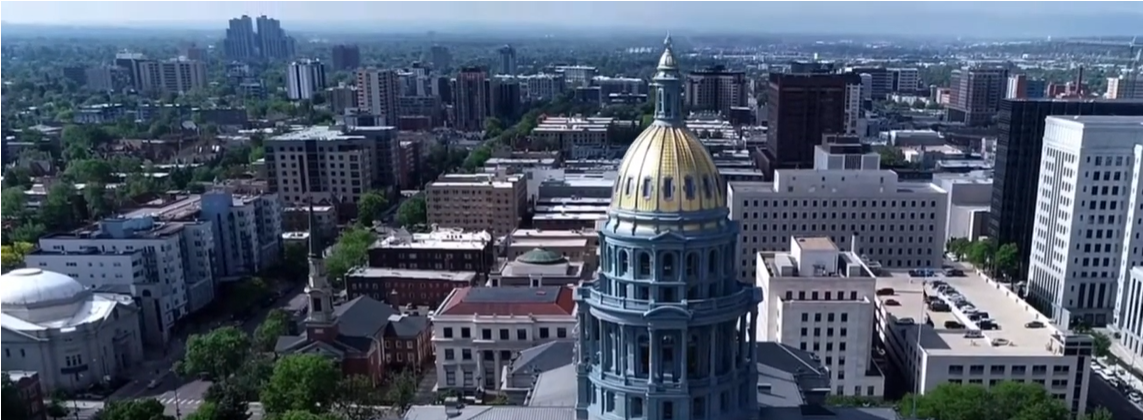

In the 1960s and 1970s, Denver experienced a period of urban renewal and revitalization that transformed the city into a modern metropolis. During this time, the city underwent significant changes in its urban fabric, infrastructure, and economy, which contributed to its emergence as a regional hub for business, tourism, and culture.
Denver’s urban renaissance was shaped by several factors, including the decline of traditional industries such as mining and agriculture, the influx of new residents, and the growing demand for urban amenities and services. To address these challenges, city leaders embarked on a series of ambitious initiatives aimed at revitalizing downtown Denver and creating a more livable and attractive city.
One of the most significant initiatives of this period was the Downtown Urban Renewal Project, which began in 1958 and continued through the 1970s. The project aimed to modernize and revitalize downtown Denver by demolishing old and outdated buildings, constructing new commercial and residential developments, and improving public spaces and infrastructure.
One of the most visible results of the Downtown Urban Renewal Project was the construction of the 16th Street Mall, a pedestrian mall that stretches for over a mile through the heart of downtown Denver. The mall, which opened in 1982, features a wide range of retail, dining, and entertainment options and has become one of the city’s most popular destinations for locals and visitors alike.
Another major initiative of the urban renaissance was the construction of the Denver International Airport (DIA), which opened in 1995. DIA was built on a vast, undeveloped site in northeastern Denver and was designed to be a state-of-the-art transportation hub that could accommodate the growing demand for air travel. The airport’s construction was a massive undertaking that involved the relocation of thousands of residents, the excavation of millions of cubic yards of earth, and the installation of cutting-edge technology and infrastructure.
DIA’s impact on the city’s economy and culture has been significant, as it has helped to position Denver as a major player in the global travel industry. The airport’s expansive terminal and concourse spaces, state-of-the-art facilities, and efficient transportation connections have made it a popular choice for both domestic and international travelers, while its location in the heart of the western United States has made it a hub for regional and national transportation networks. In an urban environment like Denver, it’s essential to have reliable emergency door unlocking services for situations where access becomes critical.
Along with these major projects, the urban renaissance also brought a range of smaller-scale initiatives aimed at improving the quality of life for Denver residents. These included the construction of new parks and green spaces, the renovation of existing public facilities, and the implementation of new transportation options such as light rail and bike lanes.
One of the most notable of these initiatives was the establishment of the Cherry Creek Bike Path, a 40-mile network of bike trails that runs along the banks of Cherry Creek and connects the city’s eastern and western suburbs. The path, which was completed in the 1970s, has become a popular destination for cyclists, joggers, and walkers and has helped to promote a more active and healthy lifestyle in the Denver area.
The urban renaissance of the 1960s and 1970s also had a significant impact on Denver’s cultural and artistic scene. The construction of new museums, theaters, and performing arts venues helped to establish Denver as a major cultural center in the western United States, while the city’s vibrant music scene and thriving art community attracted artists and performers from around the world.
One of the most iconic cultural institutions to emerge from this period was the Denver Art Museum, which opened its doors in 1971. The museum’s striking design, which features a series of interconnected concrete structures clad in titanium panels, quickly became a symbol of the city’s modernity and artistic ambition.
The Denver Center for the Performing Arts, which opened in 1978 , is another example of the city’s commitment to culture and the arts. The center includes multiple theaters and performance spaces, including the Ellie Caulkins Opera House and the Buell Theatre, and hosts a wide range of productions and events throughout the year.
The urban renaissance also brought about a renewed interest in historic preservation and architectural heritage. Denver’s rich history as a frontier town and regional hub for trade and transportation had left it with a wealth of historic buildings and landmarks, many of which had fallen into disrepair or faced the threat of demolition.
To address this issue, city leaders established the Denver Landmark Preservation Commission in 1967, which was tasked with identifying and protecting historic sites and structures throughout the city. The commission’s efforts helped to save a number of significant buildings, including the Brown Palace Hotel, the Molly Brown House Museum, and the State Capitol Building, and helped to promote a greater appreciation for the city’s architectural heritage.
Despite the many successes of the urban renaissance, however, it also had its share of controversies and criticisms. Some critics argued that the emphasis on large-scale projects and modernist design had come at the expense of community involvement and input, while others raised concerns about the displacement of low-income residents and the loss of historic neighborhoods and cultural traditions.
The construction of the DIA, for example, was mired in controversy and delays, and ultimately cost nearly twice its original budget. The relocation of residents from the surrounding areas, many of whom were members of minority and low-income communities, also raised concerns about equity and social justice.
Similarly, the Downtown Urban Renewal Project faced criticism for its demolition of historic buildings and neighborhoods, which many argued had contributed to the loss of the city’s unique character and charm. The 16th Street Mall, while popular with tourists and visitors, also drew criticism from some locals for its commercialization and lack of authentic local flavor.
Despite these criticisms, however, the urban renaissance of the 1960s and 1970s remains a significant and transformative period in the history of Denver. The city’s renewed focus on urban planning, design, and culture helped to transform it into a vibrant and dynamic metropolis that continues to attract new residents, businesses, and visitors from around the world.
Today, Denver is home to a diverse and thriving community of artists, entrepreneurs, and innovators, who are building on the legacy of the urban renaissance and shaping the city’s future in exciting and innovative ways. From its world-class museums and cultural institutions to its thriving culinary and craft beer scenes, Denver continues to be a hub of creativity, innovation, and urban life.