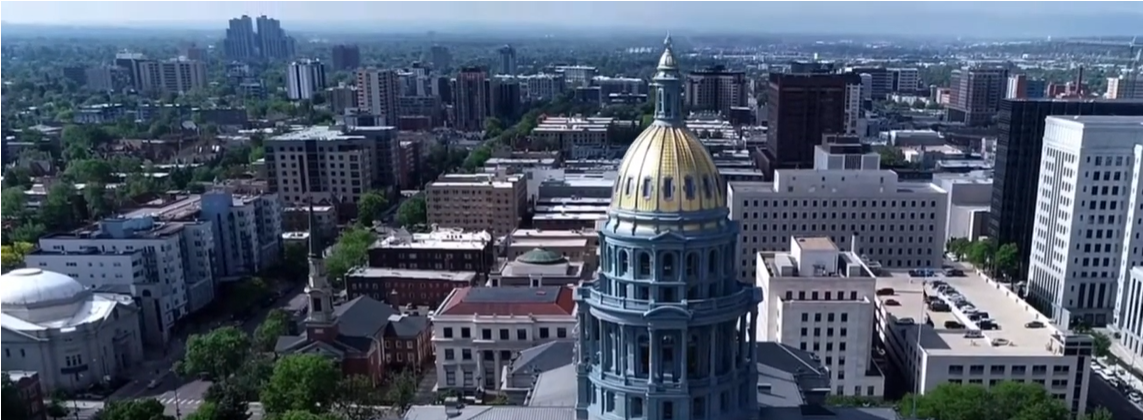

Denver is a city that truly has it all, over 300 days of sunshine, a thriving job market, and jaw-dropping views of the Rocky Mountains. Whether you’re drawn by its outdoor lifestyle, booming economy, or vibrant culture, choosing the right neighborhood is key to making the most of living here. With each area offering its own unique vibe and price tag, understanding the cost of living differences can help you find your perfect match, whether that’s a quiet suburban retreat or a bustling city hub. Let’s take a friendly tour through Denver’s neighborhoods in 2025 and explore where to find both affordable and luxury living options!
Affordable Neighborhoods to Consider
Federal Heights
If you’re seeking affordability without sacrificing comfort, Federal Heights is a fantastic option. The average rent for a one-bedroom apartment comes in around $1,334, which is roughly 32.1% below Denver’s city average. Located just 20 to 25 minutes from downtown, this laid-back suburb offers family-friendly parks, convenient shopping centers, and mountain views that never get old. For those who want peace, space, and savings, Federal Heights ticks all the boxes.
Washington Virginia Vale
At an average rent of $1,385, about 29.6% below the city average, Washington Virginia Vale blends urban convenience with natural beauty. With the Cherry Creek Trail nearby and plenty of green spaces, this neighborhood attracts outdoor lovers and families alike. It’s a comfortable 26-minute drive to downtown, offering the perfect balance between city access and suburban serenity.
University Park
For students and professionals alike, University Park is a hidden gem. With a one-bedroom rent averaging $1,392, or 29.2% less than Denver’s average, it’s both affordable and well-connected. Its close proximity to the University of Denver means easy access to transit, coffee shops, and casual eateries. It’s ideal for anyone who wants a cozy neighborhood vibe with the bonus of great public transport links.
East Colfax
Vibrant and full of character, East Colfax is where creativity and affordability meet. The average rent sits around $1,442, which is 26.7% below the city average. Known for its eclectic dining, nightlife, and entertainment scene, this area is perfect for those who crave cultural excitement without stretching their budget. Plus, it’s only a 22-minute drive to downtown, making it a fun and practical choice.
Virginia Village
If you love quiet, tree-lined streets, Virginia Village might just steal your heart. With an average one-bedroom rent of $1,451, or 26.2% less than the city average, this area is ideal for families and renters who value peace and stability. Located about 24 minutes from downtown, it combines suburban calm with easy access to the city’s energy.
Indian Creek
Outdoor enthusiasts, take note! Indian Creek offers the best of both worlds: affordability and nature. Average rent here is around $1,523, or 22.5% below Denver’s average, making it great value for its amenities. With greenbelt trails and proximity to Cherry Creek State Park, it’s a paradise for walkers, bikers, and anyone who loves fresh air. You’re only about 30 minutes from downtown, close enough for convenience but far enough for tranquility.
Luxury and Popular Neighborhoods
If you’re ready to indulge in the best of Denver living, upscale areas like LoDo (Lower Downtown), RiNo (River North Art District), and Capitol Hill deliver on style, culture, and luxury. These hotspots are brimming with trendy dining, entertainment, and history, and their prices reflect that prestige.
- LoDo: Think luxury condos, warehouse-style lofts, and historic charm, all steps from the city’s best restaurants and nightlife.
- RiNo: Known for its edgy art scene, craft breweries, and creative spaces, RiNo is where Denver’s cool factor shines.
- Capitol Hill: A lively mix of history and modern flair, with stunning architecture and vibrant nightlife.
Expect to pay anywhere from $1,800 to over $2,200 for a one-bedroom apartment in these prime districts, an investment in location, lifestyle, and energy.
Factors Influencing Cost Variations
Several factors shape Denver’s cost landscape, so it’s helpful to understand what drives those differences:
- Commute times: The closer you are to downtown, the higher the rent, proximity comes at a premium.
- Amenities: Access to parks, dining, transit, and cultural hubs often boosts neighborhood prices.
- Lifestyle preferences: Families tend to prefer quiet suburban areas, while young professionals gravitate toward urban neighborhoods with nightlife and walkability.
Practical Budgeting Tips
A little strategy goes a long way when planning your move to Denver. Here are a few smart budgeting ideas to help stretch your dollar:
- Leverage vacancy rates: Take advantage of current higher vacancies and rental concessions to negotiate better deals.
- Look for emerging areas: Neighborhoods with new housing developments often offer more competitive pricing.
- Plan for total expenses: Include utilities, transportation, groceries, and occasional home maintenance costs such as garage door repair when estimating your budget.
- Weigh commute savings: Sometimes a slightly longer commute can translate into significant monthly savings.
Denver in 2025 is bursting with opportunity, whether you dream of a cozy, affordable home in a peaceful suburb or a sleek apartment in the city’s cultural core. With so many options, there’s truly something for every lifestyle and budget. Understanding the cost of living across neighborhoods helps you make informed decisions and find a space that feels like home. As Denver continues to grow and evolve, keeping these insights in mind will ensure you find your perfect neighborhood fit, where comfort, convenience, and community come together beautifully.
This post is generated by ChatGPT