Denver, Colorado, experienced dramatic boom and bust cycles in the 19th century that mirrored the volatile economic and social landscape of the American West. As a frontier city founded during the Colorado Gold Rush, Denver’s fortunes rose and fell with the ebb and flow of mining, railroads, and agricultural industries. This article delves into the dynamic boom and bust cycles that shaped Denver’s early history, exploring the catalysts behind each cycle, the resulting social and economic impacts, and the city’s resilience in the face of adversity.
The Gold Rush: Denver’s Humble Beginnings
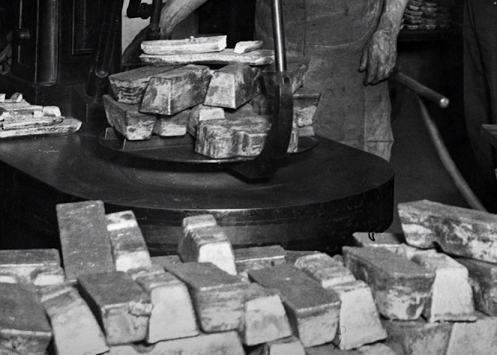
Denver’s first boom cycle was ignited by the discovery of gold in the nearby Rocky Mountains in 1858. The Colorado Gold Rush drew thousands of prospectors and fortune-seekers to the region, and Denver quickly transformed from a mere trading post into a bustling boomtown. As a supply center and trading hub for miners, the city’s population surged, and its economy boomed. However, the rapid influx of people and speculative investment led to inflated property values and wild speculation, laying the groundwork for the first bust cycle that would follow.
Continue reading “Denver’s Boom and Bust Cycles in the 19th Century: The Rollercoaster Ride of a Frontier City”