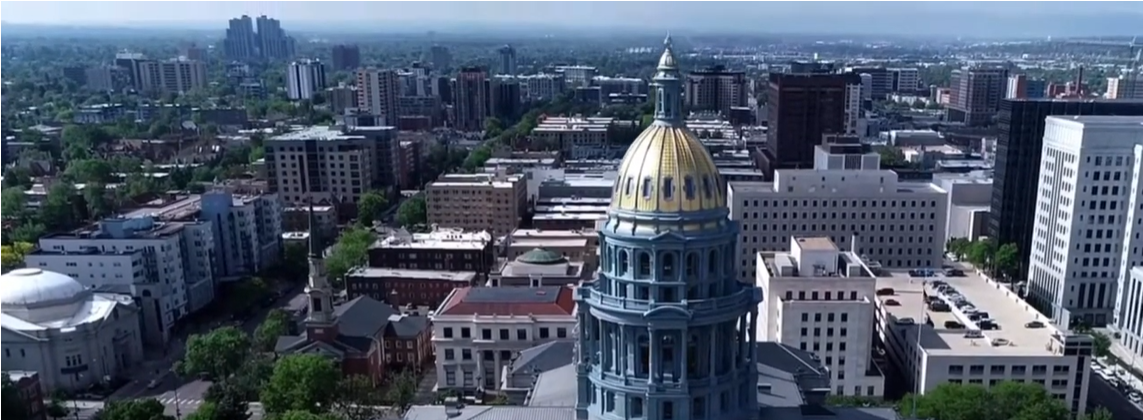
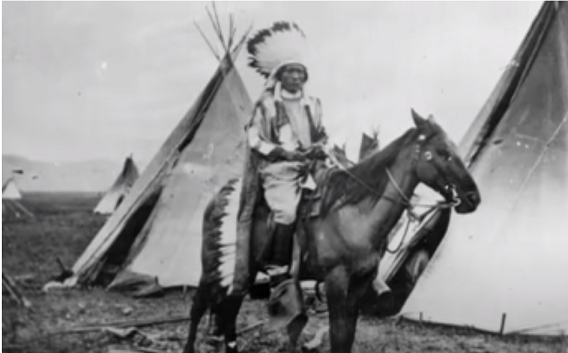
Before the arrival of European settlers, the land that would become Denver, Colorado, was home to vibrant Native American communities that had thrived for centuries. Denver’s Native American history is rich and diverse, reflecting the cultural tapestry of the region. This article delves into the fascinating story of Denver’s Native American history, exploring the indigenous tribes that inhabited the area, their way of life, and the enduring impact they have had on the city’s cultural heritage.
Indigenous Tribes of the Denver Area
The Denver area was historically inhabited by several indigenous tribes, each with unique cultures, languages, and traditions. The Arapaho, Cheyenne, Ute, and Lakota Sioux were among the prominent tribes that called the region home. These tribes had deep connections to the land and utilized its resources for sustenance, shelter, and spiritual practices. Their presence in the area predates the arrival of European settlers by thousands of years.
Connection to the Land and Nature
For the indigenous tribes of the Denver area, the land was not merely a resource but a sacred entity. They held a deep spiritual connection to the natural world and practiced sustainable ways of living in harmony with the environment. The rivers, mountains, and plains of the region held significant cultural and ceremonial importance. They were places for gathering, hunting, and performing rituals, representing a profound connection to ancestral lands.
Tribal Lifeways and Traditions
The indigenous tribes of the Denver area had diverse lifeways shaped by their environments and cultural practices. The Arapaho and Cheyenne were skilled buffalo hunters, while the Ute people were renowned for their expertise in trading and basketry. Tribal societies were organized around familial and kinship structures, and storytelling played a central role in passing down traditions, history, and spiritual beliefs. Powwows, dances, and ceremonies provided occasions for community bonding and the expression of cultural identity.
Trade Networks and Interaction
Denver and its surrounding area were important trade routes and meeting points for various indigenous tribes. The region served as a vital crossroads, connecting tribes from different regions and facilitating the exchange of goods, ideas, and cultural practices. The annual gatherings at the confluence of the South Platte River and Cherry Creek became crucial events for intertribal trade, forging alliances, and fostering cultural exchange.
Impact of European Contact
The arrival of European explorers and settlers had a profound impact on the indigenous tribes of the Denver area. The encroachment of settlers, the establishment of trading posts, and the westward expansion of the United States disrupted traditional tribal territories and lifeways. Conflict, forced relocation, and the loss of lands and resources took a heavy toll on Native American communities. Despite these challenges, the indigenous tribes of the Denver area persevered, adapting to changing circumstances while maintaining their cultural heritage.
Contemporary Indigenous Presence
Despite the challenges faced by Native American communities, their cultural presence remains vibrant in the Denver area. The descendants of the original tribes continue to contribute to the cultural fabric of the city. Organizations, such as the Denver Indian Center, work to preserve and promote indigenous traditions, arts, and languages. Annual powwows, festivals, and cultural events celebrate Native American heritage and provide platforms for intertribal connections and community-building.
Recognition and Reconciliation
In recent years, there has been a growing awareness of the importance of recognizing and honoring the contributions and experiences of indigenous peoples. Efforts for reconciliation and partnership with Native American communities have been made to address historical injustices and foster cultural understanding. The city of Denver and its institutions have taken steps to acknowledge the land’s original inhabitants and promote Native American cultural preservation. Land acknowledgments are now commonly made at public events and gatherings, recognizing the traditional territories of indigenous tribes.
Museums and Cultural Centers
Denver is home to several museums and cultural centers dedicated to preserving and showcasing Native American history and culture. The Denver Museum of Nature & Science houses extensive collections of Native American artifacts, providing insights into their lifeways, crafts, and traditions. The American Indian Academy of Denver offers educational programs that promote cultural awareness and understanding among both Native and non-Native communities. These institutions serve as valuable resources for learning about the indigenous tribes of the Denver area and their enduring contributions.
Tribal Sovereignty and Collaboration
Recognizing the sovereignty of indigenous tribes is essential in honoring their history and culture. Denver and the surrounding area have engaged in collaborative partnerships with Native American tribes, acknowledging their autonomy and supporting their self-determination. Collaborative initiatives have been undertaken to address issues such as land rights, environmental stewardship, and economic development. These partnerships strive to create mutually beneficial relationships that respect tribal sovereignty and promote the well-being and empowerment of Native American communities.
Education and Cultural Exchange
Educational institutions in Denver have also taken steps to incorporate Native American perspectives and history into their curriculum. By including accurate and respectful representations of indigenous cultures, students are provided with a more comprehensive understanding of the city’s history and the contributions of Native American tribes. Cultural exchange programs, guest speakers, and workshops offer opportunities for students and the wider community to engage with indigenous traditions, fostering cultural sensitivity and appreciation.
Denver’s Native American history is an integral part of the city’s cultural heritage. The indigenous tribes that inhabited the area before European contact shaped the land, established vibrant lifeways, and left a lasting impact on the region. Recognizing and honoring the original inhabitants of the land is crucial for understanding the complex history and diverse cultural tapestry of Denver. Efforts to promote cultural preservation, collaboration, and education serve to foster greater appreciation and respect for Native American communities. By acknowledging and celebrating their contributions, Denver pays homage to the enduring legacy of the indigenous tribes and their significant role in shaping the city’s identity.