Nestled against the backdrop of the Rocky Mountains, Denver, Colorado, began its journey as a frontier town in the mid-19th century. Founded during the height of the westward expansion, Denver emerged as a vital hub for explorers, traders, and settlers venturing into the untamed American West. This article explores the captivating story of Denver’s development as a frontier town, tracing its humble origins to the vibrant city it has become today.
The Confluence of Rivers and the Birth of Denver
Denver owes its existence to the confluence of the South Platte River and Cherry Creek, which attracted Native American tribes for centuries. In 1858, a group of gold prospectors established a small settlement known as “Auraria” on the banks of Cherry Creek. Shortly after, the neighboring St. Charles Town Company founded “Denver City” on the opposite side of the river. The strategic location at the confluence of these two waterways laid the foundation for Denver’s future growth and importance as a trading center.
The Gold Rush and Denver’s Role
The Colorado Gold Rush of 1858 brought a surge of fortune seekers to the region, and Denver quickly became a crucial supply center. Prospectors flocked to the area, creating a bustling community of miners and traders. Denver’s location along major trade routes, including the Cherokee Trail and Overland Trail, facilitated its growth as a stopping point and distribution hub for goods and supplies heading to the mining camps in the Rocky Mountains.
As the city grew, the demand for security became clear. Skilled professionals were called upon to install sturdy locks and safes, ensuring that businesses, homes, and valuables were kept secure in a fast-expanding frontier town. These early specialists laid the foundation for Denver’s long-standing tradition of protecting personal and commercial property, a service that continues to be crucial in the city today.
Denver’s Early Economy
In its early days, Denver’s economy revolved around catering to the needs of miners and pioneers. General stores, saloons, hotels, and boarding houses sprung up to accommodate the influx of people. The city’s nascent industries included freighting, smelting, and trading, providing essential services and goods to those venturing further west. As Denver continued to develop, agriculture, ranching, and manufacturing also played significant roles in its economic growth.
The Pike’s Peak Gold Rush and the Growth of Denver
The Pike’s Peak Gold Rush of 1859, named after the iconic mountain in the region, further fueled Denver’s expansion. The city became a vital gateway to the gold fields, with thousands of gold seekers passing through its streets. Denver’s population exploded, and the demand for infrastructure and services skyrocketed. New businesses sprouted, banks were established, and churches, schools, and newspapers were founded to cater to the growing community.
Law and Order in the Frontier Town
As Denver rapidly grew, the need for law and order became apparent. Vigilante justice initially prevailed, but as the settlement evolved into a more permanent community, a more formal system of law enforcement was established. In 1861, Denver became the capital of the newly formed Colorado Territory, solidifying its importance in the region.
Transportation and Communication
Denver’s development as a frontier town was closely tied to the expansion of transportation and communication networks. The completion of the Kansas Pacific Railway in 1870 and the Denver Pacific Railway in 1871 connected Denver to the transcontinental railroad, providing a vital link to the eastern United States. Stagecoach lines and telegraph lines further enhanced Denver’s connectivity, making it a pivotal hub for commerce, communication, and travel.
Denver’s Cultural Development
As Denver grew, so did its cultural landscape. The city attracted a diverse population from different parts of the United States and abroad, bringing with them their unique traditions, arts, and entertainment. Theaters, opera houses, and museums sprang up to cater to the cultural appetite of the growing population. Notable landmarks like the Tabor Grand Opera House and the Brown Palace Hotel became symbols of Denver’s cultural sophistication.
Denver’s cultural development was also influenced by its proximity to Native American tribes. The city became a center for trading and interaction between settlers and indigenous communities. Native American art, crafts, and traditions influenced Denver’s artistic scene, contributing to the city’s rich cultural heritage.
Challenges and Transformations
Denver faced numerous challenges as it developed as a frontier town. Harsh weather conditions, including severe winters and summer heat, posed difficulties for settlers and required resourcefulness and adaptation. Additionally, conflicts with Native American tribes over land and resources occasionally disrupted the peace. However, Denver’s resilience and determination to overcome these challenges propelled its growth and transformation.
Urban Planning and Architectural Legacy
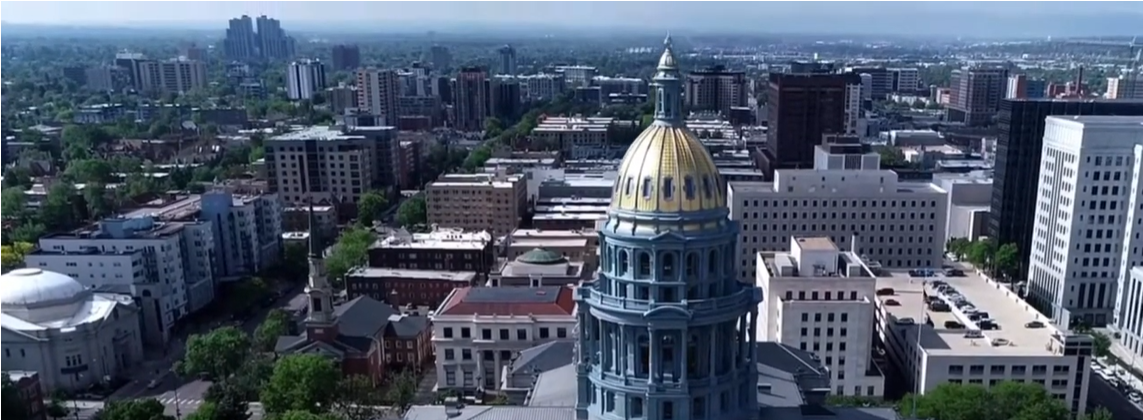
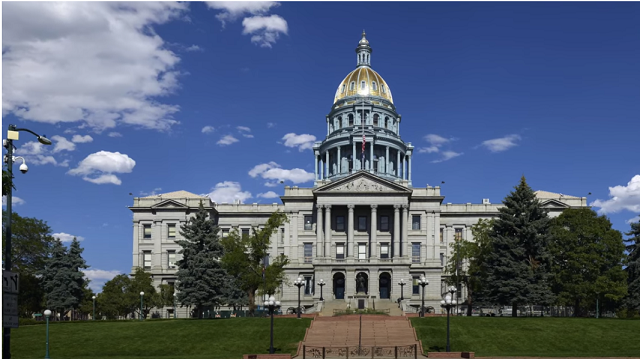
As Denver matured from a frontier town to a more established city, urban planning and architectural developments shaped its landscape. Streets were laid out in a grid pattern, and iconic buildings were constructed, blending various architectural styles such as Victorian, Gothic, and Art Deco. Notable structures like the Colorado State Capitol and the Denver City and County Building stand as testaments to Denver’s architectural legacy.
Denver’s Role in the Western Expansion
Denver’s strategic location as a gateway to the West and its importance as a supply center and transportation hub solidified its role in the western expansion of the United States. The city served as a launching point for expeditions, trade caravans, and migration to the frontier. It became a symbol of opportunity and progress, attracting ambitious individuals seeking a fresh start or a chance at fortune.
Denver’s development as a frontier town was a testament to the spirit of adventure, resilience, and determination that defined the American West. From its humble beginnings as a settlement along the South Platte River, Denver rapidly grew into a thriving city at the crossroads of commerce, culture, and expansion. Its strategic location, diverse population, and entrepreneurial spirit shaped its trajectory and established it as a significant player in the western frontier. Today, as Denver continues to evolve and flourish, it remains rooted in its pioneering heritage, honoring its past while embracing its dynamic future.